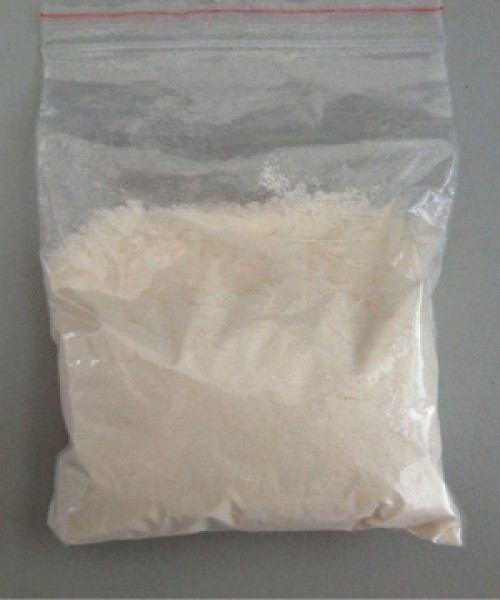
14-CINNAMOYLOXYCODEINONE is a semi-synthetic codeinone derivative used in pharmaceutical analysis, forensic chemistry, and controlled laboratory research. Academic institutions, biotechnology laboratories, and industrial R&D teams study this compound for analytical evaluation, structural comparison, and opioid-related molecular research under regulated conditions.
This compound belongs to the opioid-related research chemical category and is commonly examined in structure-activity relationship (SAR) studies, analytical method validation, and reference standard development. Researchers use it to compare modified codeinone analogs, verify synthetic pathways, and evaluate compound stability during controlled testing procedures.
Laboratories typically analyze 14-CINNAMOYLOXYCODEINONE using HPLC purity testing, chromatography profiling, and spectrometric identification methods. The cinnamoyl ester modification influences chromatographic retention behavior and supports comparative analytical investigations involving related compounds and impurity tracking workflows.
Research teams value the compound for its consistent analytical response and reproducible laboratory performance during repeat assays and calibration procedures. It is commonly incorporated into controlled analytical workflows where documentation accuracy, stability evaluation, and batch consistency are important.
This material is intended exclusively for licensed laboratories, pharmaceutical research programs, university departments, and regulated analytical facilities. It is not intended for human consumption, personal use, or unregulated applications.
Research Applications
Researchers study 14-CINNAMOYLOXYCODEINONE in controlled laboratory environments for pharmaceutical analysis, chromatography evaluation, and structural comparison research involving modified codeinone derivatives.
Common research applications include:
- Pharmaceutical analytical investigations
- Structure-activity relationship (SAR) studies
- Chromatography method development
- Reference standard comparison
- Stability and degradation analysis
- Controlled forensic laboratory research
Analytical Methods
Laboratories commonly use advanced analytical techniques to evaluate the identity, purity, and structural characteristics of 14-CINNAMOYLOXYCODEINONE.
Common analytical methods include:
- High-Performance Liquid Chromatography (HPLC)
- Liquid Chromatography–Mass Spectrometry (LC-MS)
- Gas Chromatography–Mass Spectrometry (GC-MS)
- Nuclear Magnetic Resonance (NMR) Spectroscopy
- Spectrometric purity verification
- Comparative chromatography analysis
Technical Specifications
| Specification | Details |
| Compound Name | 14-CINNAMOYLOXYCODEINONE |
| Compound Category | Opioid-Related Research Chemical |
| Chemical Class | Semi-Synthetic Codeinone Derivative |
| Intended Use | Laboratory Research Only |
| Common Analysis Methods | HPLC, LC-MS, NMR |
| Research Focus | Analytical & Structural Evaluation |
| Application Environment | Licensed Laboratory Facilities |
Storage & Stability
For laboratory research purposes, 14-CINNAMOYLOXYCODEINONE should generally be stored in a cool, dry, and controlled environment away from direct light, excessive heat, and moisture exposure. Proper storage practices help maintain analytical stability and support consistent research performance during testing procedures.
Purity & Identification
Laboratories typically evaluate compound purity and identity using chromatography profiling, spectrometric analysis, and reference comparison methods. Controlled analytical testing procedures help researchers confirm batch consistency, impurity levels, and structural verification during laboratory investigations.
Compliance Notice
This product is intended strictly for scientific, analytical, and laboratory research purposes only. It is not intended for human consumption, medical application, veterinary use, or household purposes. All handling and research activities should be conducted by qualified professionals in regulated environments.
(FAQ)
What is 14-CINNAMOYLOXYCODEINONE used for?
14-CINNAMOYLOXYCODEINONE is primarily used in laboratory and analytical research involving codeinone derivatives, chromatography evaluation, and pharmaceutical reference testing under regulated conditions.
Is 14-CINNAMOYLOXYCODEINONE intended for human consumption?
No. This compound is strictly intended for scientific, forensic, and laboratory research purposes only.
Which analytical methods are commonly used to test this compound?
Laboratories commonly analyze this material using HPLC, GC-MS, LC-MS, and NMR spectroscopy methods.
Why do researchers study codeinone derivatives?
Researchers study codeinone derivatives to evaluate structural behavior, analytical response patterns, and comparative molecular characteristics during pharmaceutical and forensic investigations.
What makes the cinnamoyl ester group important in analysis?
The cinnamoyl ester modification may influence chromatographic retention behavior and analytical profiling during comparative laboratory studies.