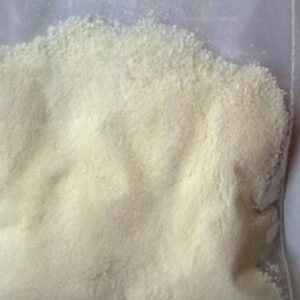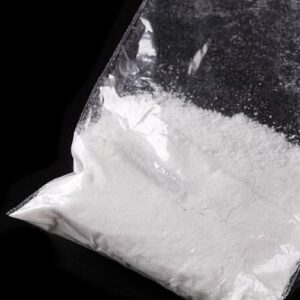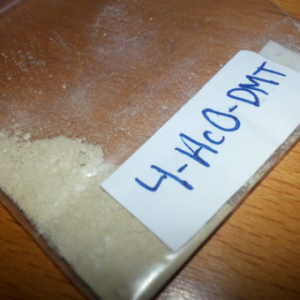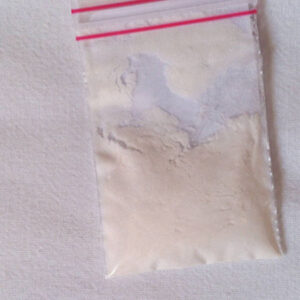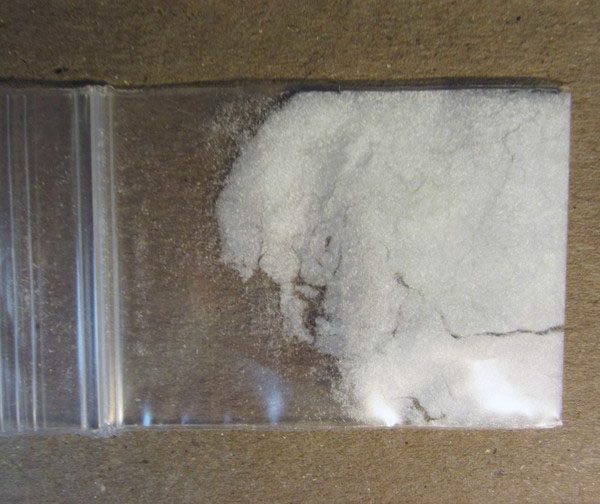
3C-P, also known as 3C-Proscaline or α-Methylproscaline, is a phenethylamine-derived research compound belonging to the amphetamine and 3C families. The compound is structurally related to proscaline and shares similarities with other substituted phenethylamine derivatives studied in analytical chemistry, receptor-binding research, and compound characterization investigations.
Researchers may investigate 3C-P to better understand its chemical structure, analytical properties, receptor interactions, and relationship to other phenethylamine analogues. Scientific literature references the compound in studies involving serotonin receptor activity, structural analysis, and comparative investigations of related compounds.
What Is 3C-P?
3C-P is a substituted phenethylamine derivative belonging to the 3C family of compounds. It is structurally related to proscaline and other substituted phenethylamines that have been referenced in scientific literature involving receptor-binding research and analytical characterization.
Researchers may encounter 3C-P during investigations involving compound identification, structural verification, receptor interaction studies, and comparative analysis of phenethylamine analogues.
Chemical Structure and Classification of 3C-P
3C-P belongs to the phenethylamine and amphetamine families and is considered the amphetamine analogue of proscaline. Researchers frequently investigate compounds within this chemical class to improve analytical detection methods and better understand structural relationships among related derivatives.
Understanding the molecular framework of 3C-P supports laboratory identification, compound classification, and comparative research investigations.
Scientific Significance of 3C-P Research
Scientific interest in 3C-P stems from its structural relationship to proscaline, TMA (3,4,5-trimethoxyamphetamine), and other phenethylamine derivatives. Researchers may investigate the compound as part of analytical chemistry projects, receptor-binding studies, and comparative characterization research.
Research involving 3C-P contributes to broader scientific understanding of phenethylamine chemistry and compound classification systems.
Receptor Binding and Analytical Research
Scientific literature has discussed 3C-P in relation to serotonin receptor interactions, particularly involving the 5-HT2 receptor family. Researchers may investigate receptor-binding characteristics, structural properties, and measurable analytical markers associated with the compound.
These investigations contribute to analytical reference databases, receptor research, and scientific documentation involving phenethylamine derivatives.
Why Researchers Study 3C-P
Researchers may reference 3C-P in studies involving:
- Analytical chemistry
- Phenethylamine research
- Compound identification
- Structural characterization
- Receptor-binding investigations
- Comparative compound analysis
- Scientific documentation
- Laboratory method development
These investigations help improve analytical methodologies and compound classification systems.
Analytical Characterization of 3C-P
Analytical laboratories may use various techniques to identify and characterize 3C-P.
Common analytical methods include:
- High-Performance Liquid Chromatography (HPLC)
- Liquid Chromatography-Mass Spectrometry (LC-MS)
- Gas Chromatography-Mass Spectrometry (GC-MS)
- Spectroscopic Analysis
- Structural Characterization Techniques
- Compound Verification Procedures
These methods help researchers generate reliable analytical data and support scientific investigations.
3C-P in Phenethylamine Research
Phenethylamine compounds represent an important area of scientific investigation due to their structural diversity and receptor interactions. Researchers studying 3C-P may evaluate its chemical characteristics alongside other substituted phenethylamines to better understand analytical and structural relationships.
Such investigations contribute to broader knowledge of phenethylamine chemistry and comparative compound research.
Related Compounds and Analogues
Researchers studying 3C-P may also encounter:
- Proscaline
- TMA (3,4,5-Trimethoxyamphetamine)
- 3C-E
- 3C-AL
- 3C-MAL
- 3C-FP
- MEM
- Phenethylamine Derivatives
These compounds are frequently referenced in analytical, receptor-binding, and comparative research investigations.
Research Applications of 3C-P
Potential areas of scientific interest include:
- Chemical analysis
- Receptor-binding research
- Analytical verification
- Structural characterization
- Reference material evaluation
- Laboratory method development
- Scientific documentation
- Comparative compound research
Laboratory Storage and Handling Considerations
Research compounds should be stored in a cool, dry, and properly sealed container away from direct sunlight, moisture, and excessive heat. Appropriate laboratory handling procedures and documentation practices help maintain sample integrity and support reliable analytical outcomes.
All research activities should be conducted in accordance with applicable regulations, laboratory protocols, and institutional requirements.
Frequently Asked Questions
What is 3C-P?
3C-P (3C-Proscaline) is a phenethylamine-derived research compound and amphetamine analogue of proscaline referenced in scientific literature and analytical research.
What are the alternative names of 3C-P?
Alternative names include 3C-Proscaline, α-Methylproscaline, 4-Propoxy-3,5-Dimethoxyamphetamine, and 3,5-Dimethoxy-4-Propoxyamphetamine.
What is the molecular formula of 3C-P?
The molecular formula of 3C-P is C14H23NO3.
What is the CAS number of 3C-P?
The CAS number of 3C-P is 501700-11-4.
What research fields study 3C-P?
Research may involve analytical chemistry, receptor-binding investigations, phenethylamine research, and compound characterization studies.
Which analytical methods are commonly used to study 3C-P?
Researchers may use HPLC, LC-MS, GC-MS, spectroscopy, and other analytical techniques for compound identification and characterization.
Why is 3C-P important in scientific research?
It is referenced in scientific literature because of its structural relationship to proscaline and other phenethylamine derivatives, as well as its relevance to receptor-binding and analytical investigations.
What compounds are related to 3C-P?
Related compounds include Proscaline, TMA, 3C-E, 3C-AL, 3C-MAL, 3C-FP, and other phenethylamine derivatives.
Educational and Research Disclaimer
This page is provided for educational, scientific, and informational purposes only. Information regarding 3C-P is intended to support academic discussion, scientific understanding, and research reference activities. Any research involving this compound should be conducted by qualified professionals in accordance with applicable laws, regulations, institutional policies, and laboratory safety standards.