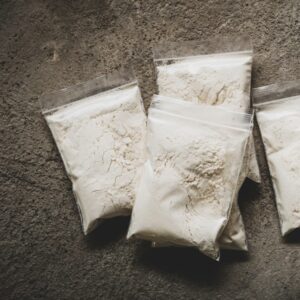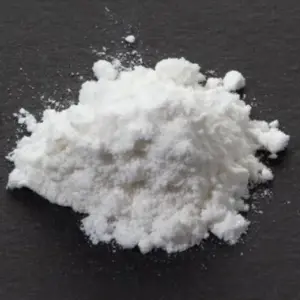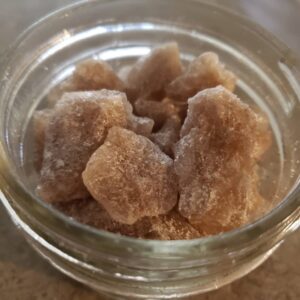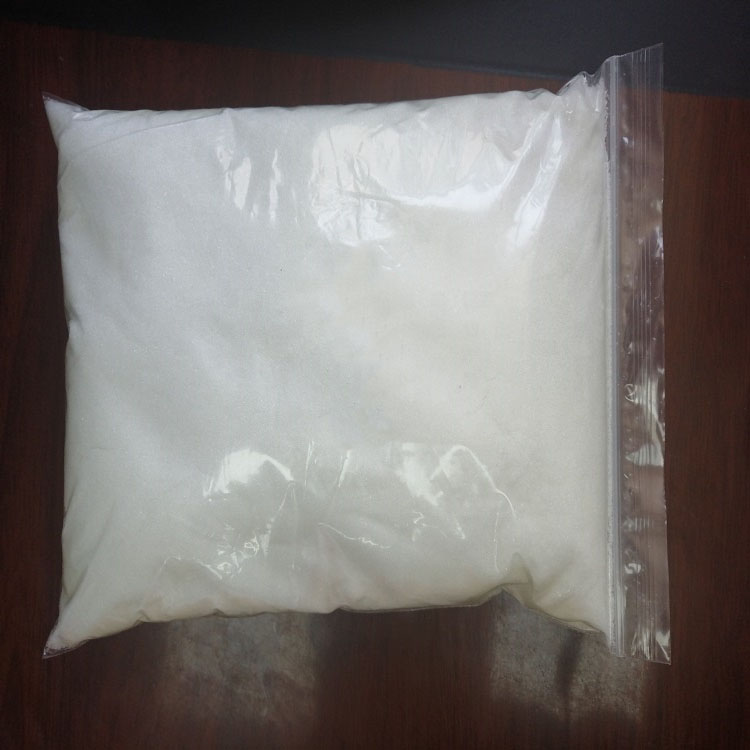
4-MeO-PBP (4-Methoxy-α-Pyrrolidinobutiophenone) is a synthetic cathinone and pyrovalerone analogue commonly referenced in analytical chemistry, forensic toxicology, and neurochemical research. Structurally related to compounds such as α-PVP and 4-MeO-PVP, 4-MeO-PBP is primarily studied for its chemical properties, molecular structure, metabolic pathways, and analytical identification.
Researchers utilize 4-MeO-PBP as a reference material for laboratory investigations involving substituted cathinones, transporter interaction studies, and forensic screening methods. Due to limited published toxicological data, scientific interest remains focused on characterization and analytical evaluation.
What Is 4-MeO-PBP?
4-MeO-PBP is a substituted cathinone derivative belonging to the pyrovalerone family of research compounds. It shares structural similarities with several synthetic cathinones that are frequently investigated in forensic and analytical laboratories.
Scientific studies focus on its molecular characteristics, analytical behavior, metabolic transformations, and transporter interaction profiles. As a result, 4-MeO-PBP serves as a useful reference compound in laboratory-based investigations.
Chemical Structure and Classification
4-MeO-PBP contains several notable structural features:
- Pyrrolidine ring system
- Para-methoxy substituted aromatic ring
- Cathinone ketone functionality
- Butiophenone side chain
These characteristics place it within the broader class of synthetic cathinones and pyrovalerone analogues commonly studied in forensic chemistry.
Neurochemical Research and Mechanistic Studies
Research involving structurally related compounds suggests that methoxy-substituted pyrovalerones may interact with monoamine transporter systems.
Areas of scientific investigation include:
- Dopamine transporter (DAT) interactions
- Norepinephrine transporter (NET) studies
- Monoamine uptake inhibition research
- Structure-activity relationship analysis
- Comparative transporter profiling
Ongoing laboratory investigations aim to better understand how structural modifications influence transporter binding and pharmacological properties.
Metabolism and Analytical Research
In vitro metabolic studies of related methoxycathinones have identified several transformation pathways.
Research areas include:
- Oxidative metabolism
- Pyrrolidine ring modification
- Metabolite identification
- Toxicological screening
- Biological sample analysis
These findings assist laboratories in developing analytical methods for compound detection and identification.
Why Researchers Study 4-MeO-PBP
Researchers commonly investigate 4-MeO-PBP for:
- Synthetic cathinone characterization
- Forensic toxicology applications
- Analytical chemistry research
- Metabolic pathway evaluation
- Structure-activity relationship studies
- Laboratory reference standard development
- Compound verification and identification
Its structural relationship to other pyrovalerone derivatives makes it useful for comparative scientific investigations.
Analytical Characterization
Laboratories may use several analytical techniques to identify and characterize 4-MeO-PBP:
- High-Performance Liquid Chromatography (HPLC)
- Liquid Chromatography-Mass Spectrometry (LC-MS)
- LC-MS/MS Analysis
- Gas Chromatography-Mass Spectrometry (GC-MS)
- Nuclear Magnetic Resonance (NMR)
- Infrared Spectroscopy (FTIR)
- Reference Standard Verification
These techniques support accurate compound identification and analytical documentation.
Related Research Compounds
Researchers studying 4-MeO-PBP may also investigate:
- α-PVP
- 4-MeO-PVP
- 4-Methyl-PBP
- Pentedrone Analogues
- Pyrovalerone Derivatives
- Methoxy-Substituted Cathinones
Comparative analysis of these compounds contributes to a broader understanding of synthetic cathinone chemistry.
Research Applications
Potential scientific applications include:
- Forensic toxicology
- Analytical method development
- Chemical characterization
- Reference material evaluation
- Metabolism studies
- Structure-activity relationship research
- Compound identification procedures
- Scientific documentation
Laboratory Storage and Handling
Research materials should be handled exclusively by trained professionals using appropriate laboratory safety procedures.
Recommended practices include:
- Use suitable personal protective equipment (PPE)
- Avoid direct exposure
- Store under controlled laboratory conditions
- Follow institutional safety protocols
- Maintain proper documentation and handling procedures
Frequently Asked Questions
What is 4-MeO-PBP?
4-MeO-PBP is a synthetic cathinone and pyrovalerone analogue used in forensic analysis, analytical chemistry, and scientific research.
What is the molecular formula of 4-MeO-PBP?
The molecular formula is C15H21NO2.
What is the molecular weight of 4-MeO-PBP?
The molecular weight is 247.33 g/mol.
What chemical family does 4-MeO-PBP belong to?
It belongs to the synthetic cathinone family and is classified as a pyrovalerone analogue.
Why do researchers study 4-MeO-PBP?
Researchers investigate 4-MeO-PBP for forensic identification, metabolic analysis, analytical chemistry, and structure-activity relationship studies.
What analytical methods are commonly used for 4-MeO-PBP?
Common methods include HPLC, LC-MS, LC-MS/MS, GC-MS, FTIR, and NMR spectroscopy.
Is 4-MeO-PBP used as a reference standard?
Yes. Research laboratories may utilize 4-MeO-PBP as an analytical reference material for compound identification and verification.
Educational and Research Disclaimer
This product is intended strictly for scientific, educational, forensic, and laboratory research purposes only. It is not intended for human consumption, medical use, veterinary use, or therapeutic applications. All handling and research activities should be conducted by qualified professionals in accordance with applicable laws, regulations, and laboratory safety standards.