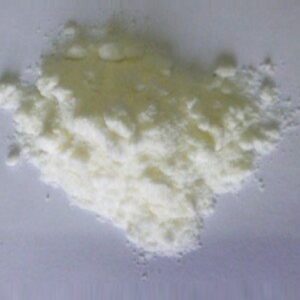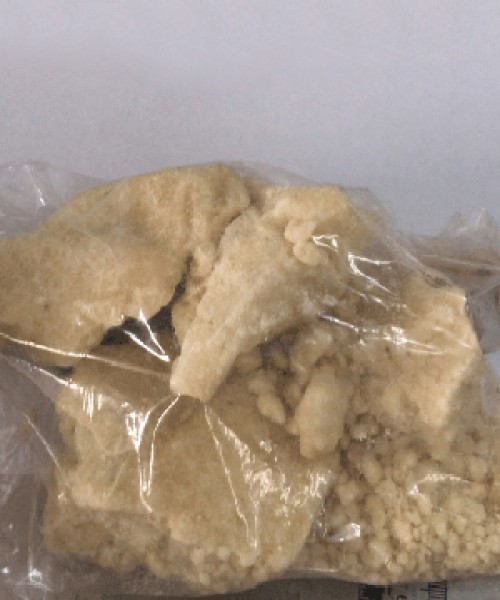
5-CL-ADB-A is a synthetic cannabinoid research chemical belonging to the indazole-based cannabinoid receptor agonist (SCRA) family. Scientifically associated with MDMB-4en-PINACA, this compound has become an important subject in forensic toxicology, analytical chemistry, and novel psychoactive substance (NPS) research due to its unique chemical structure and receptor-binding characteristics.
Research laboratories utilize 5-CL-ADB-A as an analytical reference material for method development, forensic investigations, metabolite identification, and cannabinoid receptor research.
What is 5-CL-ADB-A?
5-CL-ADB-A is an indazole-derived synthetic cannabinoid that has gained significant attention within forensic and analytical laboratories. Due to its structural characteristics, researchers investigate this compound to improve analytical detection techniques, understand metabolic pathways, and support identification of emerging synthetic cannabinoids.
Its distinct molecular framework makes it a valuable analytical reference compound for laboratories studying novel cannabinoid analogues.
Chemical Structure and Classification
5-CL-ADB-A belongs to the indazole-3-carboxamide family and contains:
- Indazole core structure
- Carboxamide functional group
- Terminal alkene side chain
- Amino acid ester moiety
- Synthetic cannabinoid framework
These structural features distinguish it from naturally occurring cannabinoids and contribute to its importance in analytical research.
Scientific and Research Significance
Researchers study 5-CL-ADB-A for:
- Synthetic cannabinoid profiling
- Structure-activity relationship (SAR) investigations
- Forensic toxicology research
- Metabolic pathway characterization
- Analytical reference standard development
- Emerging NPS monitoring
Its chemical profile supports ongoing scientific efforts to improve identification and classification of newly emerging synthetic cannabinoids.
Analytical Applications
5-CL-ADB-A is commonly used for:
- LC-MS/MS analysis
- GC-MS identification
- High-resolution mass spectrometry (HRMS)
- Analytical method validation
- Reference standard calibration
- Metabolite confirmation
- Toxicological screening
These applications enable laboratories to accurately identify and characterize synthetic cannabinoid compounds.
Why Researchers Study 5-CL-ADB-A
Current research focuses on:
- Synthetic cannabinoid chemistry
- Forensic identification techniques
- Analytical detection methods
- Metabolite profiling
- Novel psychoactive substance surveillance
- Laboratory quality control
The compound serves as an important analytical standard for studying emerging cannabinoid analogues.
Related Research Compounds
Researchers frequently compare 5-CL-ADB-A with:
- MDMB-4en-PINACA
- 5F-ADB
- 4F-ADB
- 4F-MDMB-BINACA
- 4F-MDMB-BICA
- ADB-BUTINACA
- Other indazole-based synthetic cannabinoids
Comparative studies assist scientists in understanding structural similarities and analytical differentiation.
Research Applications
Potential laboratory applications include:
- Forensic investigations
- Analytical chemistry
- Scientific reference material
- Toxicology research
- Method development
- Laboratory calibration
- Chemical identification studies
Storage and Handling
For maximum stability:
- Store in airtight laboratory containers
- Protect from moisture
- Keep away from direct sunlight
- Maintain recommended laboratory storage conditions
- Handle using appropriate laboratory PPE
- Follow institutional chemical safety procedures
Frequently Asked Questions
What is 5-CL-ADB-A?
5-CL-ADB-A is an indazole-based synthetic cannabinoid research chemical commonly associated with MDMB-4en-PINACA and used as an analytical reference standard.
What is the molecular formula?
The molecular formula is C20H28N4O3.
What research fields utilize 5-CL-ADB-A?
It is commonly used in forensic toxicology, analytical chemistry, cannabinoid research, metabolite studies, and novel psychoactive substance investigations.
Why is 5-CL-ADB-A important for laboratory research?
It supports analytical method development, forensic identification, metabolite analysis, and structure-activity relationship research involving synthetic cannabinoids.
How should this compound be stored?
Store in a tightly sealed container in a cool, dry environment away from moisture, heat, and direct sunlight.
Is this product intended for laboratory use only?
Yes. This material is supplied exclusively for scientific, analytical, educational, and laboratory research purposes.
Disclaimer
This product is intended solely for laboratory, analytical, scientific, and educational research. It is not intended for human consumption, medical use, veterinary applications, or therapeutic purposes. Researchers are responsible for complying with all applicable regulations, institutional policies, and laboratory safety requirements.