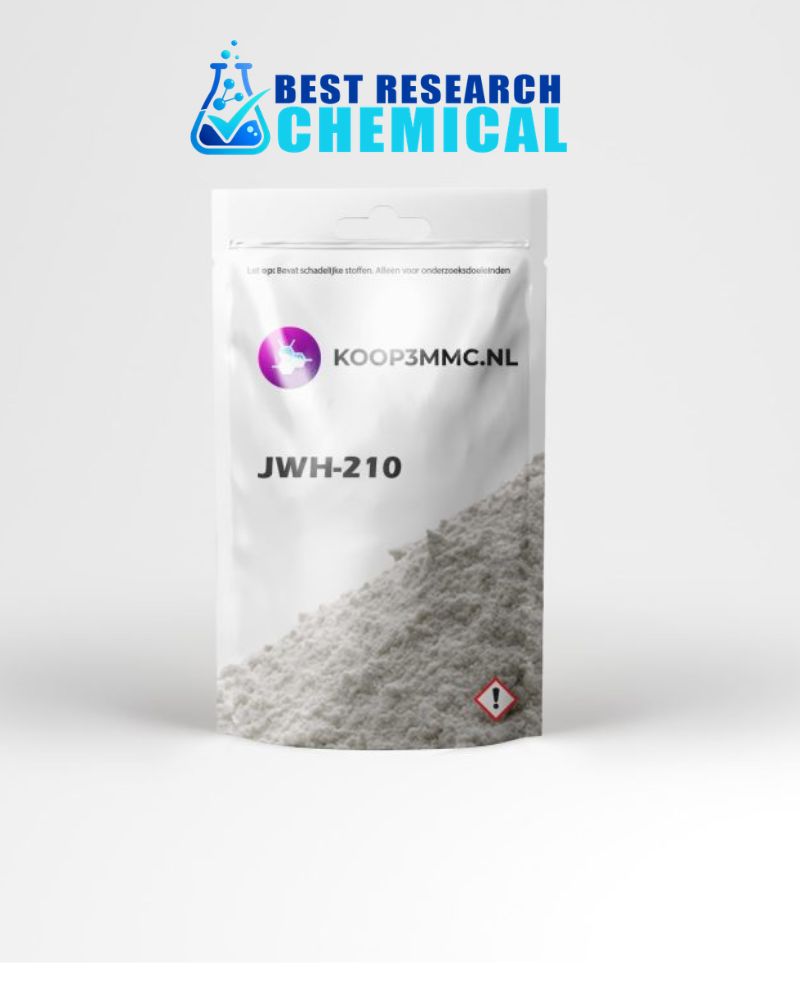
JWH-210 is a synthetic cannabinoid compound discussed in scientific literature concerning cannabinoid-receptor activity, chemical structure, pharmacology, forensic toxicology, and analytical identification. It belongs to the broader JWH family of laboratory-developed compounds that have been examined for their interaction with the cannabinoid receptor system.
JWH-210 is chemically distinct from naturally occurring cannabinoids such as THC. Its biological activity, potency, metabolism, and toxicological characteristics may differ significantly from those of cannabis-derived compounds. Accurate identification and appropriate laboratory documentation are therefore important when reviewing or studying this substance.
Where Can I Find JWH-210?
JWH-210 is discussed in scientific publications, forensic toxicology studies, analytical chemistry resources, and chemical research databases. Relevant research may address its molecular structure, receptor activity, metabolic pathways, analytical detection, and relationship to other synthetic cannabinoids.
Researchers should consult reliable scientific sources and verify the exact compound identity before interpreting technical or analytical information. JWH-210 should not be confused with other JWH-series compounds that may have similar names but different molecular structures and biological properties.
What Is JWH-210?
JWH-210 is a laboratory-developed synthetic cannabinoid associated with research into cannabinoid-receptor pharmacology. It is part of a wider group of compounds developed and studied to investigate the structure and activity of cannabinoid-related chemical systems.
The effects of JWH-210 cannot be assumed to be identical to those of THC or other synthetic cannabinoids. Differences in molecular structure may influence receptor binding, potency, metabolism, and toxicological response.
JWH-210 Chemical Information
A complete chemical profile for JWH-210 should be based on verified analytical and reference information. Depending on the source, relevant details may include:
-
Chemical name
-
Alternative or commonly used names
-
Molecular formula
-
Molecular weight
-
Chemical structure
-
CAS Registry Number, where applicable
-
Structural identifiers
-
Analytical reference information
-
Storage and handling requirements
These details help distinguish JWH-210 from related synthetic cannabinoids and support accurate laboratory recordkeeping.
JWH-210 in Scientific Research
JWH-210 may be discussed in research involving:
-
Cannabinoid-receptor activity
-
Pharmacology
-
Analytical chemistry
-
Forensic toxicology
-
Metabolism studies
-
Chemical identification
-
Drug-screening research
-
Toxicological assessment
Research may examine how the compound interacts with cannabinoid receptors, how it is metabolized, and how it can be distinguished from other synthetic cannabinoids through laboratory analysis.
Analytical Identification of JWH-210
Accurate identification is important because synthetic cannabinoids can have related structures, similar names, or overlapping analytical characteristics. Qualified laboratories may use validated analytical techniques to investigate the identity and composition of a sample.
Depending on the research objective, these techniques may include:
-
Chromatographic analysis
-
Mass spectrometry
-
Nuclear magnetic resonance
-
Reference-standard comparison
-
Metabolite analysis
-
Qualitative testing
-
Quantitative testing
-
Impurity profiling
Analytical findings should be interpreted by qualified professionals using suitable laboratory procedures and validated methods.
JWH-210 Purity and Laboratory Documentation
Laboratory documentation can support the traceability and evaluation of a JWH-210 sample. Relevant records may include:
-
Certificate of Analysis
-
Safety Data Sheet
-
Batch or lot information
-
Reported purity
-
Analytical testing method
-
Laboratory identification data
-
Storage conditions
-
Handling instructions
Purity information describes the composition of a sample under a particular testing method. It does not independently establish safety, legal authorization, or suitability for every research purpose.
Storage and Handling Considerations
JWH-210 should only be handled by appropriately trained personnel in a suitably authorized laboratory. Researchers should review the relevant Safety Data Sheet and follow institutional procedures for labeling, containment, personal protective equipment, storage, and waste disposal.
Storage conditions should be based on verified technical documentation. Appropriate precautions should be taken to reduce the risk of exposure, contamination, accidental contact, or incorrect labeling.
Legal and Regulatory Information
The legal status of JWH-210 may differ between countries, states, and local jurisdictions. It may be subject to controlled-substance restrictions, analogue laws, import controls, or other regulatory requirements.
Before conducting any activity involving JWH-210, organizations should verify:
-
Controlled-substance requirements
-
Institutional authorization
-
Laboratory licensing rules
-
Import and export restrictions
-
Transportation requirements
-
Storage obligations
-
Waste-disposal procedures
A chemical name or research classification does not automatically establish that a compound is legally permitted for possession, analysis, or use.
Frequently Asked Questions About JWH-210
What is JWH-210?
JWH-210 is a synthetic cannabinoid compound studied in areas such as cannabinoid-receptor research, pharmacology, analytical chemistry, and forensic toxicology.
Is JWH-210 the same as THC?
No. JWH-210 has a different chemical structure from THC and may have different potency, receptor activity, metabolism, and toxicological effects.
What is JWH-210 studied for?
Research may examine its chemical identity, cannabinoid-receptor activity, metabolism, analytical detection, and toxicological characteristics.
How can JWH-210 be identified?
Qualified laboratories may use validated analytical methods such as chromatography, mass spectrometry, and reference-standard comparison.
Does a purity percentage guarantee safety?
No. Purity data does not guarantee that a compound is safe, legally permitted, or appropriate for every research application.
Is JWH-210 legally available everywhere?
No. Its legal status depends on the jurisdiction and may involve strict controls or restrictions. Applicable laws should be verified before any laboratory activity.