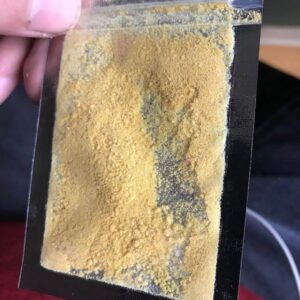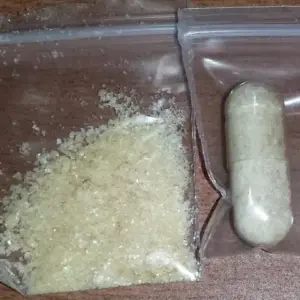
25B-NBOMe, also known as NBOMe-2C-B or Cimbi-36, is a member of the NBOMe and phenethylamine compound families. It has been studied in scientific literature for its chemical structure, receptor-binding characteristics, and analytical properties. Researchers investigating serotonergic compounds and related chemical classes may reference 25B-NBOMe in analytical and pharmacological studies conducted within controlled research environments.
As a documented compound within the NBOMe family, 25B-NBOMe has attracted scientific interest for receptor interaction research, compound characterization, and comparative studies involving structurally related substances.
What Is 25B-NBOMe?
25B-NBOMe is a brominated NBOMe derivative that belongs to the broader phenethylamine compound class. It is structurally related to other compounds within the NBOMe family and has been investigated in scientific literature for receptor-binding properties, chemical characterization, and analytical research applications.
Researchers may examine 25B-NBOMe as part of studies involving serotonergic compounds, structure-activity relationships, and laboratory-based investigations focused on chemical identification and comparison.
Why Is 25B-NBOMe Studied?
Scientific interest in 25B-NBOMe generally focuses on:
- Receptor interaction studies
- Chemical characterization
- Analytical identification
- Comparative pharmacological research
- Structure-activity relationship investigations
- Laboratory reference and documentation purposes
Research involving compounds from the NBOMe family contributes to broader scientific understanding of receptor-binding mechanisms and chemical properties within related compound classes.
Key Research Areas:
Analytical Chemistry
Researchers may investigate 25B-NBOMe using analytical techniques designed to evaluate chemical identity, composition, and measurable laboratory properties.
Compound Characterization
Scientific studies often focus on structural analysis, compound verification, and characterization of physical and chemical attributes.
Receptor Binding Research
Published literature has examined the interaction of 25B-NBOMe with serotonin receptor systems, particularly within receptor-binding studies.
Comparative Research
Researchers may compare 25B-NBOMe with structurally related compounds to better understand similarities, differences, and chemical relationships.
Scientific Documentation
Laboratory investigations often require accurate documentation, compound verification, and analytical reference information for research purposes.
Analytical Methods Commonly Used in Research
Laboratory investigations may involve:
- High-Performance Liquid Chromatography (HPLC)
- Liquid Chromatography-Mass Spectrometry (LC-MS)
- Gas Chromatography-Mass Spectrometry (GC-MS)
- Spectroscopic Analysis
- Compound Verification Procedures
- Structural Characterization Methods
These analytical approaches help researchers evaluate chemical properties and generate reproducible scientific data.
Research Considerations
Scientific literature has highlighted the importance of appropriate laboratory controls, analytical verification, and regulatory compliance when studying compounds within the NBOMe family.
Research involving such compounds should be conducted only by qualified professionals operating within approved scientific environments and following established laboratory safety procedures.
Frequently Asked Questions
Q. What is 25B-NBOMe?
25B-NBOMe is a phenethylamine-derived compound belonging to the NBOMe family that has been studied in scientific literature for its chemical and pharmacological properties.
Q, What are the alternative names of 25B-NBOMe?
Alternative names include NBOMe-2C-B, Cimbi-36, Nova, BOM 2-CB, and N-(2-Methoxybenzyl)-4-bromo-2,5-dimethoxyphenethylamine.
Q. What is the molecular formula of 25B-NBOMe?
The molecular formula of 25B-NBOMe is C18H22BrNO3.
Q. What research fields study 25B-NBOMe?
Research may involve analytical chemistry, receptor-binding studies, compound characterization, neuropharmacology, and comparative scientific investigations.
Q. Which analytical methods are commonly used to study 25B-NBOMe?
Researchers may use HPLC, LC-MS, GC-MS, spectroscopy, and other analytical techniques for compound identification and characterization.
Q. Why is 25B-NBOMe important in scientific literature?
It has been studied as part of broader investigations into NBOMe compounds, receptor interactions, and structure-activity relationships.
Q. Is the legal status of 25B-NBOMe the same worldwide?
No. Legal status varies by jurisdiction, and researchers should review applicable regulations before conducting research involving the compound.
Research Disclaimer
This page is provided for educational, scientific, and informational purposes only. Information regarding 25B-NBOMe is intended to support academic discussion, scientific understanding, and research reference activities. Any research involving this compound should be conducted by qualified professionals in accordance with applicable laws, regulations, institutional policies, and laboratory safety standards.