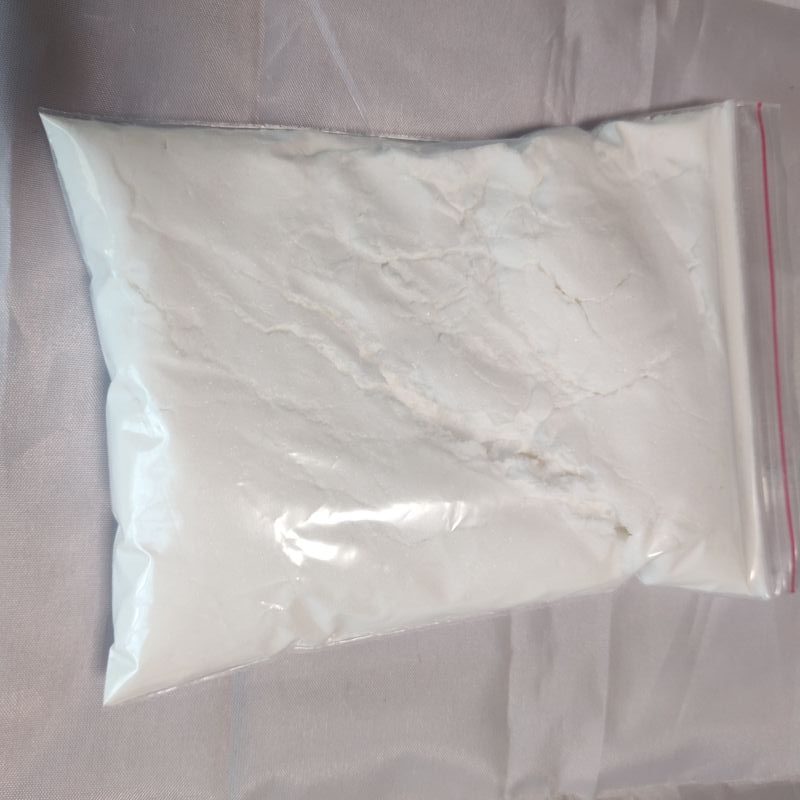
CRL-40,941, commonly known as Fladrafinil or Bisfluoroadrafinil, is a high-purity eugeroic (wakefulness-promoting) research chemical belonging to the diphenylmethyl sulfinyl acetamide family. Developed by Laboratoire Lafon during investigations into next-generation wakefulness-promoting compounds, Fladrafinil is a fluorinated analogue of Adrafinil and is closely related to Modafinil and Flmodafinil (CRL-40,940).
Although never approved as a pharmaceutical medication, CRL-40,941 has become an important analytical reference material for laboratories studying wakefulness-promoting agents, dopamine transporter pharmacology, medicinal chemistry, metabolism, and neuropharmacology.
What is CRL-40,941 (Fladrafinil)?
Fladrafinil is a fluorinated derivative of Adrafinil developed during research into compounds that promote wakefulness and cognitive function. Structurally, it differs from Adrafinil by the addition of fluorine atoms on both aromatic rings, a modification used in medicinal chemistry to investigate how halogen substitution affects pharmacological properties, metabolic stability, and receptor interactions.
Because of its defined chemical profile, CRL-40,941 is widely used as a reference standard in analytical laboratories and pharmaceutical research.
Chemical Structure and Properties
CRL-40,941 contains several notable structural features:
- Diphenylmethyl sulfoxide core
- Hydroxamic acid functionality
- Two para-fluorophenyl rings
- Sulfinyl linkage
- High chemical stability
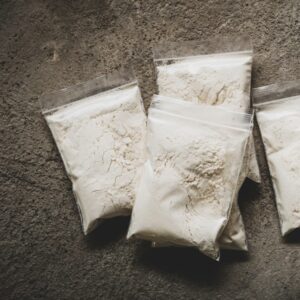
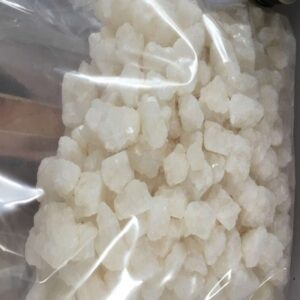
- Crystalline laboratory-grade powder
These characteristics make it useful for chromatographic analysis, analytical validation, and medicinal chemistry investigations.
Pharmacological Research
Scientific literature indicates that Fladrafinil belongs to the same pharmacological family as Modafinil and Adrafinil. Research suggests that compounds within this family influence dopamine transporter (DAT) activity, making them valuable tools for studying wakefulness mechanisms and central nervous system pharmacology.
Current research areas include:
- Dopamine transporter (DAT) investigations
- Wakefulness-promoting compound research
- Neurochemical signaling
- Cognitive enhancer pharmacology
- Comparative studies with Modafinil analogues
- Structure–activity relationship (SAR) analysis
- Drug metabolism and pharmacokinetics
Animal studies have also explored behavioral effects, including wakefulness and anti-aggressive activity, although further research is needed to fully characterize its pharmacological profile.
Scientific Research Applications
CRL-40,941 is frequently used in:
- Pharmaceutical development
- Medicinal chemistry laboratories
- Neuropharmacology research
- Academic neuroscience
- Analytical chemistry
- Drug metabolism investigations
- Forensic toxicology
- Reference standard production
- Quality control laboratories
Analytical Applications
Researchers utilize Fladrafinil for:
- LC-MS/MS method development
- GC-MS analytical calibration
- HPLC analysis
- High-resolution mass spectrometry (HRMS)
- Reference library creation
- Method validation
- Compound identification
- Stability testing
- Quality assurance protocols
Its well-defined analytical profile supports accurate differentiation from related compounds such as Modafinil, Adrafinil, and Flmodafinil.
Why Researchers Choose CRL-40,941
Researchers value Fladrafinil because it offers:
- Well-characterized molecular structure
- High analytical purity
- Reliable chromatographic behavior
- Excellent analytical reproducibility
- Useful SAR comparison with Modafinil analogues
- Broad application in neuropharmacology
- Consistent laboratory performance
Related Research Compounds
Fladrafinil is commonly studied alongside:
- Modafinil
- Armodafinil
- Adrafinil
- Flmodafinil (CRL-40,940)
- CE-123
- Modafinil analogues
- Eugeroic research compounds
Comparative investigations help researchers understand transporter interactions, metabolism, and structural modifications within the eugeroic class.
Storage and Handling
For optimal laboratory stability:
- Store in airtight laboratory containers.
- Protect from humidity and moisture.
- Keep away from direct sunlight.
- Maintain recommended laboratory storage temperatures.
- Handle using appropriate laboratory protective equipment (PPE).
- Follow institutional laboratory safety procedures.
Frequently Asked Questions
What is CRL-40,941?
CRL-40,941 (Fladrafinil) is a fluorinated analogue of Adrafinil used as an analytical reference standard in neuropharmacology, medicinal chemistry, pharmaceutical research, and forensic toxicology.
Which laboratories use Fladrafinil?
It is commonly used by pharmaceutical companies, forensic laboratories, academic institutions, medicinal chemists, and analytical chemistry laboratories.
Which analytical techniques are suitable for CRL-40,941?
Researchers commonly analyze Fladrafinil using LC-MS/MS, GC-MS, HPLC, and HRMS for calibration, compound identification, and analytical method validation.
Why is Fladrafinil valuable for research?
Its defined molecular structure, relationship to Modafinil analogues, and analytical consistency make it useful for pharmacological research, transporter studies, and medicinal chemistry investigations.
Is CRL-40,941 intended only for research?
Yes. This product is supplied exclusively for laboratory, analytical, scientific, and educational research purposes.
Disclaimer
CRL-40,941 (Fladrafinil) is supplied strictly for laboratory, analytical, scientific, and educational research purposes only. It is not intended for human consumption, therapeutic use, veterinary applications, medical treatment, or diagnostic purposes. Researchers are responsible for complying with all applicable laws, institutional policies, and laboratory safety regulations.