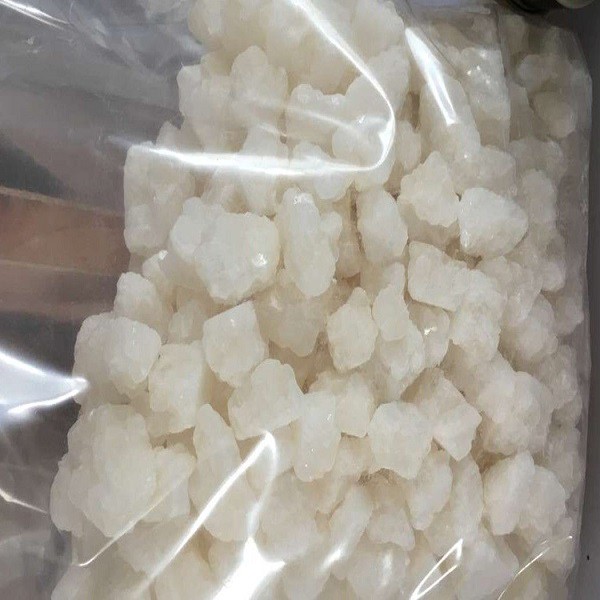
4-MMC (4-Methylmethcathinone), commonly known as Mephedrone, is a synthetic cathinone research compound belonging to the substituted cathinone and phenethylamine families. It is one of the most extensively studied cathinone derivatives in forensic science, analytical chemistry, neurochemical research, and toxicological investigations.
Due to its well-documented chemical profile and widespread appearance in forensic casework, 4-MMC is frequently used as a reference material for laboratory testing, compound identification, analytical method development, and scientific research involving synthetic cathinones.
What Is 4-MMC (Mephedrone)?
4-MMC is a synthetic cathinone derivative structurally related to naturally occurring cathinone compounds found in the khat plant. Since its emergence in analytical and forensic investigations, it has become one of the most frequently referenced cathinones in scientific literature.
Researchers study 4-MMC for its chemical structure, analytical properties, metabolism, transporter interactions, and toxicological profile. Its extensive documentation makes it an important reference compound for comparative cathinone research.
Chemical Structure and Classification
4-MMC belongs to the substituted cathinone family and contains:
- Beta-keto phenethylamine backbone
- Para-methyl aromatic substitution
- Secondary amine functionality
- Structural similarity to cathinone derivatives
These molecular characteristics make 4-MMC a valuable compound for structure-activity relationship investigations and analytical research.
Neurochemical Research and Transporter Studies
Scientific literature has identified 4-MMC as a compound of interest in monoamine transporter research.
Research commonly focuses on:
- Dopamine transporter (DAT) interactions
- Serotonin transporter (SERT) studies
- Norepinephrine transporter (NET) investigations
- Monoamine release mechanisms
- Neurochemical activity profiling
These studies contribute to a broader understanding of synthetic cathinone pharmacology and transporter dynamics.
Why Researchers Study 4-MMC
4-MMC is commonly referenced in:
- Forensic toxicology investigations
- Analytical chemistry studies
- Synthetic cathinone research
- Metabolism and biotransformation studies
- Neurochemical investigations
- Reference standard development
- Structure-activity relationship analysis
- Laboratory identification procedures
Its widespread documentation makes it one of the most important reference compounds within synthetic cathinone research.
Analytical Characterization
Laboratories utilize multiple techniques to identify and characterize 4-MMC:
- High-Performance Liquid Chromatography (HPLC)
- Liquid Chromatography-Mass Spectrometry (LC-MS)
- LC-MS/MS Analysis
- Gas Chromatography-Mass Spectrometry (GC-MS)
- Nuclear Magnetic Resonance (NMR)
- Infrared Spectroscopy (FTIR)
- Reference Standard Verification
These methods allow accurate identification and analytical validation in research environments.
Metabolism and Toxicological Research
Published scientific studies have investigated:
- CYP2D6-mediated metabolism
- Metabolite identification
- Neurochemical effects
- Toxicological screening
- Biological sample analysis
- Forensic detection methods
Research in these areas assists analytical laboratories and forensic institutions in developing reliable detection protocols.
Related Research Compounds
Researchers studying 4-MMC may also investigate:
- 3-MMC
- 4-CMC
- Methylone
- Ethcathinone
- Butylone
- Methedrone
- Fluoromethcathinone Analogues
Comparative analysis of these compounds helps improve understanding of synthetic cathinone chemistry and analytical identification.
Research Applications
Potential scientific applications include:
- Analytical chemistry
- Forensic toxicology
- Neurochemical investigations
- Compound characterization
- Metabolism research
- Reference material development
- Laboratory verification studies
- Scientific documentation
Laboratory Storage and Handling
Research compounds should be stored under controlled laboratory conditions to maintain analytical integrity and long-term stability.
Recommended practices include:
- Proper laboratory PPE usage
- Controlled storage conditions
- Secure sample handling
- Compliance with laboratory safety protocols
- Documentation and chain-of-custody procedures where applicable
Frequently Asked Questions
What is 4-MMC?
4-MMC (Mephedrone) is a synthetic cathinone research compound commonly used in forensic science, analytical chemistry, and laboratory investigations.
What is the molecular formula of 4-MMC?
The molecular formula is C11H15NO.
What is the molecular weight of 4-MMC?
The molecular weight is 177.25 g/mol.
What chemical family does 4-MMC belong to?
4-MMC belongs to the substituted cathinone family.
Why is 4-MMC important in research?
Researchers use 4-MMC as a reference material for synthetic cathinone identification, neurochemical investigations, forensic toxicology, and analytical method development.
What analytical methods are used for 4-MMC?
Common analytical methods include HPLC, LC-MS, LC-MS/MS, GC-MS, FTIR, and NMR spectroscopy.
Is 4-MMC used as a laboratory reference standard?
Yes. Research laboratories frequently utilize 4-MMC as an analytical reference compound for identification and verification studies.
What compounds are related to 4-MMC?
Related compounds include 3-MMC, 4-CMC, methylone, methedrone, butylone, and other substituted cathinones.
Educational and Research Disclaimer
This product is intended strictly for scientific, educational, forensic, and laboratory research purposes only. It is not intended for human consumption, medical use, veterinary use, or therapeutic applications. All handling, storage, and research activities should be conducted by qualified professionals in accordance with applicable laws, regulations, and laboratory safety standards.