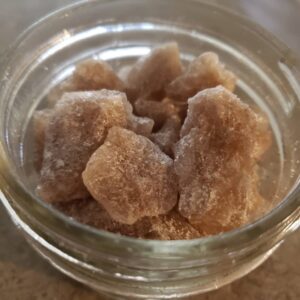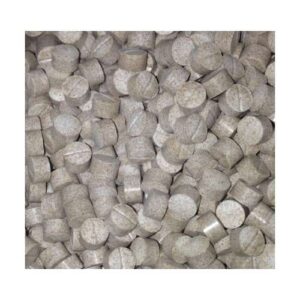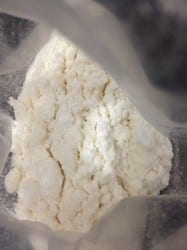
4-Me-TMP (4-Methylmethylphenidate) is a synthetic research compound structurally related to methylphenidate and belongs to the piperidine stimulant family. The compound has attracted scientific interest due to its interaction with dopamine transport systems and its structural relationship to methylphenidate analogues.
Researchers investigate 4-Me-TMP in analytical chemistry, neurochemical studies, transporter binding research, and structure-activity relationship (SAR) investigations. Scientific literature has examined its dopamine transporter affinity and its potential value in comparative stimulant research.
What Is 4-Me-TMP?
4-Me-TMP is a ring-substituted analogue of methylphenidate that has been investigated in scientific studies focusing on dopamine transporter interactions and stimulant-related pharmacology.
Its structural modifications make it useful for comparative research involving methylphenidate analogues and transporter binding profiles. Researchers often study 4-Me-TMP to better understand how chemical substitutions influence biological activity and transporter affinity.
Chemical Structure and Classification
4-Me-TMP belongs to the piperidine stimulant family and shares structural similarities with methylphenidate and related analogues.
Key structural features include:
- Piperidine-based molecular framework
- Aromatic ring methyl substitution
- Ester functional group
- Structural relationship to methylphenidate
These characteristics make the compound relevant in structure-activity relationship research and transporter studies.
Transporter Binding Research
Published scientific literature indicates that 4-Me-TMP demonstrates significant affinity for dopamine transporter systems.
Research has explored:
- Dopamine transporter (DAT) interactions
- Reuptake inhibition mechanisms
- Comparative activity versus methylphenidate
- Transporter binding affinity
- Structure-activity relationships among analogues
These investigations contribute to a broader understanding of stimulant-related transporter pharmacology.
Scientific Significance of 4-Me-TMP
4-Me-TMP is frequently referenced in studies involving:
- Dopamine transporter research
- Neurochemical investigations
- Analytical chemistry
- Stimulant analogue characterization
- Structure-activity relationship analysis
- Comparative pharmacological studies
Its molecular profile makes it valuable for laboratory-based research involving transporter systems and stimulant analogues.
Why Researchers Study 4-Me-TMP
Researchers may utilize 4-Me-TMP in studies involving:
- Dopamine transporter analysis
- Neurotransmitter research
- Laboratory characterization
- Analytical verification
- Comparative stimulant investigations
- Reference standard development
- Scientific documentation
- Structure-function evaluation
These applications help improve scientific understanding of transporter interactions and molecular modifications.
Analytical Characterization
Analytical laboratories may use multiple techniques to characterize and identify 4-Me-TMP.
Common methods include:
- High-Performance Liquid Chromatography (HPLC)
- Liquid Chromatography-Mass Spectrometry (LC-MS)
- Gas Chromatography-Mass Spectrometry (GC-MS)
- Spectroscopic Analysis
- Purity Assessment
- Reference Standard Verification
These methods help ensure accurate identification and reliable research outcomes.
Related Research Compounds
Researchers studying 4-Me-TMP may also encounter related compounds such as:
- Methylphenidate
- 4-Fluoromethylphenidate (4F-MPH)
- 3-Chloromethylphenidate (3-CTMP)
- Ethylphenidate
- Other ring-substituted methylphenidate analogues
These compounds are frequently referenced in comparative pharmacology and analytical research.
Research Applications
Potential scientific applications include:
- Neurochemical investigations
- Transporter binding studies
- Analytical chemistry
- Compound characterization
- Structure-activity relationship research
- Laboratory reference standards
- Comparative stimulant analysis
- Scientific documentation
Laboratory Storage and Handling
Proper storage conditions are important for maintaining sample integrity and analytical reliability. Research materials should be handled exclusively by trained professionals using appropriate laboratory procedures and safety protocols.
All research activities should comply with applicable regulations and institutional guidelines.
Frequently Asked Questions
What is 4-Me-TMP?
4-Me-TMP (4-Methylmethylphenidate) is a methylphenidate analogue commonly referenced in transporter binding studies, analytical chemistry, and neurochemical research.
What chemical family does 4-Me-TMP belong to?
It belongs to the piperidine stimulant family and is structurally related to methylphenidate.
Why do researchers study 4-Me-TMP?
Researchers investigate 4-Me-TMP for transporter binding analysis, neurochemical studies, structure-activity relationship research, and comparative pharmacology.
What analytical methods are used to identify 4-Me-TMP?
Common methods include HPLC, LC-MS, GC-MS, spectroscopy, and analytical verification procedures.
Is 4-Me-TMP used as a reference material?
Yes. Research laboratories may utilize 4-Me-TMP as a reference compound for analytical and comparative investigations.
Which compounds are related to 4-Me-TMP?
Related compounds include methylphenidate, 4F-MPH, 3-CTMP, and ethylphenidate.
What research areas involve 4-Me-TMP?
Common research areas include transporter pharmacology, analytical chemistry, stimulant analogue studies, and neurochemical investigations.
Educational and Research Disclaimer
This product is intended strictly for scientific, educational, forensic, and laboratory research purposes. It is not intended for human consumption, medical use, veterinary use, or therapeutic applications. All handling and research should be performed by qualified professionals in accordance with applicable laws, regulations, and laboratory safety standards.