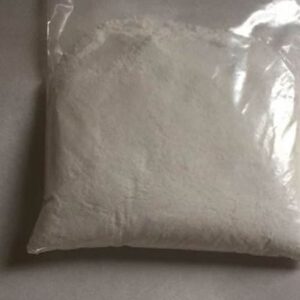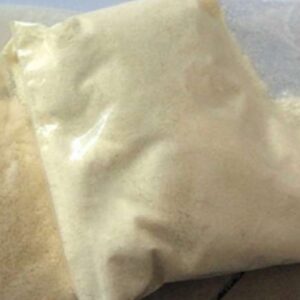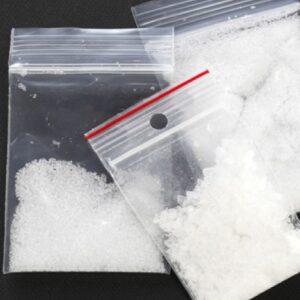
Dipyanone is a high-purity synthetic opioid analytical reference standard widely used in forensic toxicology, analytical chemistry, medicinal chemistry, pharmaceutical research, and emerging synthetic opioid investigations. Structurally related to methadone, dipipanone, and phenadoxone, Dipyanone has become an important compound for laboratories studying opioid analogues, analytical detection, metabolism, and structure–activity relationships (SAR).
Dipyanone is supplied exclusively for laboratory, analytical, and scientific research purposes and has no approved medical, pharmaceutical, or therapeutic use.
What is Dipyanone?
Dipyanone is a synthetic opioid derivative first described during investigations into opioid analgesic chemistry and later identified as an emerging compound of forensic interest. Its close structural relationship to methadone-like opioids makes it valuable for comparative research involving opioid receptor pharmacology, analytical identification, metabolism, and medicinal chemistry.
Today, Dipyanone is primarily utilized as a certified analytical reference standard by forensic laboratories and research institutions developing analytical methods for detecting emerging synthetic opioids.
Chemical Structure and Properties
Dipyanone possesses several notable structural characteristics:
- Synthetic opioid scaffold
- Methadone-related molecular framework
- High analytical stability
- Crystalline laboratory-grade material
- Excellent chromatographic performance
- Suitable for certified analytical reference applications
Its molecular architecture supports reproducible analytical performance across modern laboratory instrumentation.
Scientific Research Applications
Dipyanone is widely used in:
- Forensic toxicology laboratories
- Analytical chemistry
- Pharmaceutical research
- Medicinal chemistry
- Drug metabolism investigations
- Academic institutions
- Synthetic opioid monitoring programs
- Laboratory quality assurance
- Reference material production
Analytical Applications
Professional laboratories utilize Dipyanone for:
- LC-MS/MS calibration
- GC-MS analysis
- LC-QTOF-MS identification
- High-Resolution Mass Spectrometry (HRMS)
- HPLC method development
- Method validation
- Analytical quality control
- Forensic screening panels
- Certified reference library development
Its reliable chromatographic and mass spectrometric profile supports accurate identification of methadone-related synthetic opioids.
Medicinal Chemistry Research
Researchers investigate Dipyanone for:
- Structure–activity relationship (SAR) studies
- Synthetic opioid chemistry
- Drug metabolism investigations
- Comparative opioid analogue analysis
- Molecular scaffold research
- Analytical profiling
- Reference material development
These investigations contribute to improved analytical detection methods and a broader understanding of emerging synthetic opioid chemistry.
Why Researchers Choose Dipyanone
Researchers select Dipyanone because it offers:
- High analytical purity
- Stable molecular structure
- Reliable chromatographic behavior
- Excellent analytical reproducibility
- Consistent reference material quality
- Well-characterized synthetic opioid scaffold
- Broad applicability in forensic and pharmaceutical research
Related Research Compounds
Researchers commonly compare Dipyanone with:
- Methadone
- Dipipanone
- Phenadoxone
- Desmethylmoramide
- Butonitazene
- Brorphine
- Nitazene analogues
- Other synthetic opioid reference standards
Comparative investigations support analytical method development, metabolite identification, receptor pharmacology research, and forensic characterization.
Storage and Handling
For optimal laboratory stability:
- Store in airtight laboratory containers.
- Protect from humidity and moisture.
- Avoid prolonged exposure to direct sunlight.
- Maintain recommended laboratory storage temperatures.
- Handle using appropriate laboratory PPE.
- Follow institutional laboratory safety procedures.
Frequently Asked Questions
What is Dipyanone?
Dipyanone is a synthetic opioid analytical reference standard used in forensic toxicology, medicinal chemistry, pharmaceutical research, and analytical chemistry.
Which laboratories use Dipyanone?
Dipyanone is commonly used by forensic laboratories, pharmaceutical companies, analytical chemistry laboratories, toxicology research facilities, and academic institutions.
Which analytical techniques are commonly used?
Researchers commonly analyze Dipyanone using LC-MS/MS, GC-MS, LC-QTOF-MS, HRMS, and HPLC.
Why is Dipyanone valuable in research?
Its structural similarity to methadone-related compounds, analytical stability, and reproducible chromatographic profile make it valuable for analytical method development and forensic investigations.
Is Dipyanone intended only for research?
Yes. Dipyanone is supplied exclusively for laboratory, analytical, scientific, and educational research purposes.
Disclaimer
Dipyanone is supplied strictly for laboratory, analytical, scientific, and educational research purposes only. It is not intended for human consumption, medical treatment, veterinary use, therapeutic applications, or diagnostic purposes. Users are responsible for complying with all applicable laws, institutional policies, and laboratory safety regulations.