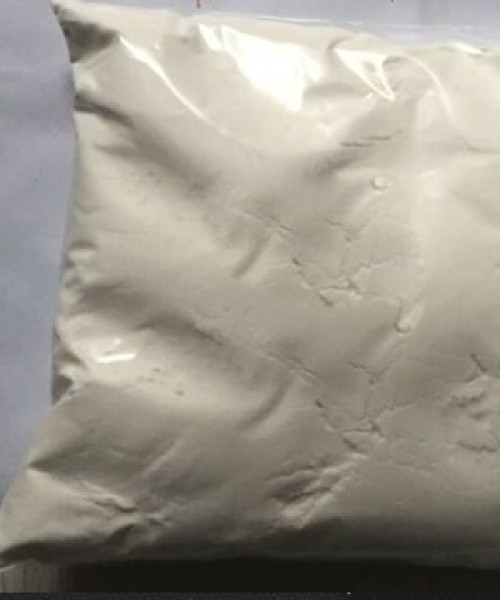
Fluonitazene (also known as Flunitazene) is a synthetic benzimidazole opioid belonging to the nitazene family of research chemicals. Originally developed during opioid research in the 1950s, it was never approved for pharmaceutical use. Today, it is recognized as a novel psychoactive substance (NPS) and is widely utilized as an analytical reference standard in forensic toxicology, medicinal chemistry, and analytical laboratories.
Due to its well-characterized molecular structure and forensic significance, Fluonitazene is frequently used in drug metabolism studies, analytical method development, pharmaceutical research, and forensic identification.
Fluonitazene is supplied strictly for laboratory, analytical, and scientific research purposes only. It is not approved for human or veterinary use.
What is Fluonitazene?
Fluonitazene is a benzimidazole-derived synthetic opioid structurally related to other nitazene compounds, including etonitazene, isotonitazene, and metonitazene. Although originally synthesized during early opioid research, it has gained importance in forensic science due to its identification in toxicology casework involving emerging synthetic opioids.
Research laboratories utilize Fluonitazene as a certified analytical reference material to support forensic screening, analytical method validation, metabolite identification, and structure–activity relationship (SAR) research involving nitazene analogs.
Chemical Structure and Properties
Fluonitazene possesses several analytical characteristics valuable for laboratory research:
- Benzimidazole opioid core structure
- Fluorinated aromatic ring system
- High analytical stability
- Well-defined chromatographic behavior
- Excellent compatibility with LC-MS/MS and GC-MS instrumentation
- Suitable for analytical reference library development
- Reliable forensic identification marker
These characteristics enable reproducible laboratory analyses and high-confidence analytical identification across modern analytical platforms.
Scientific Research Applications
Fluonitazene is widely employed in:
- Analytical chemistry
- Medicinal chemistry
- Pharmacology research
- Drug metabolism investigations
- Forensic toxicology
- Toxicological screening
- Pharmaceutical analytical research
- Academic research
- Novel psychoactive substance (NPS) monitoring
- Reference standard development
Analytical Applications
Professional laboratories commonly use Fluonitazene for:
- LC-MS/MS calibration
- GC-MS identification
- LC-HRMS analysis
- HPLC method validation
- Analytical method development
- Forensic drug screening
- Quality assurance testing
- Metabolite profiling
- Toxicology reference library creation
Its reliable analytical performance makes it an important reference material for forensic, pharmaceutical, and toxicology laboratories.
Pharmacology Research
Researchers investigate Fluonitazene in studies involving:
- Opioid receptor characterization
- Benzimidazole opioid research
- Structure–activity relationship (SAR) analysis
- Drug metabolism and biotransformation
- Medicinal chemistry
- Analytical toxicology
- Emerging synthetic opioid research
- Forensic pharmacology
These investigations contribute to the advancement of analytical science and forensic opioid research.
Why Researchers Choose Fluonitazene
Researchers select Fluonitazene because it provides:
- High analytical purity
- Well-characterized molecular structure
- Stable chromatographic behavior
- Excellent mass spectrometric response
- Significant forensic relevance
- Reliable analytical reference capabilities
- Broad applicability in toxicology laboratories
Related Research Compounds
Researchers frequently compare Fluonitazene with related compounds including:
- Etonitazene
- Isotonitazene
- Metonitazene
- Protonitazene
- Butonitazene
- Etazene (Desnitroetonitazene)
- Etonitazepyne
- Brorphine
- Dipyanone
- Clonitazene
Comparative studies support analytical identification, metabolism research, and structure–activity relationship investigations.
Storage and Handling
For optimal laboratory stability:
- Store in airtight laboratory containers.
- Protect from heat, moisture, and direct sunlight.
- Maintain storage in a cool, dry environment.
- Handle using appropriate laboratory personal protective equipment (PPE).
- Follow institutional laboratory safety procedures.
Frequently Asked Questions
What is Fluonitazene?
Fluonitazene is a synthetic benzimidazole opioid used as an analytical reference standard in forensic toxicology, medicinal chemistry, analytical chemistry, and pharmacology research.
Which laboratories use Fluonitazene?
It is commonly used by forensic laboratories, toxicology laboratories, pharmaceutical researchers, academic institutions, and analytical chemistry laboratories.
Which analytical techniques are commonly used?
Researchers commonly analyze Fluonitazene using LC-MS/MS, GC-MS, LC-HRMS, HPLC, and related analytical techniques.
Why is Fluonitazene valuable in research?
Its well-characterized molecular profile, analytical stability, and forensic significance make it valuable for analytical method validation, metabolite identification, and reference standard development.
Is Fluonitazene intended only for research?
Yes. Fluonitazene is supplied exclusively for laboratory, analytical, scientific, and educational research purposes.
Disclaimer
Fluonitazene is supplied strictly for laboratory, analytical, scientific, and educational research purposes only. It is not intended for human consumption, medical treatment, veterinary applications, therapeutic use, or diagnostic procedures. Users are responsible for complying with all applicable local laws, institutional policies, and laboratory safety regulations.