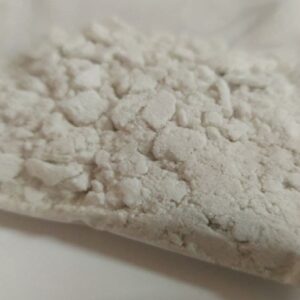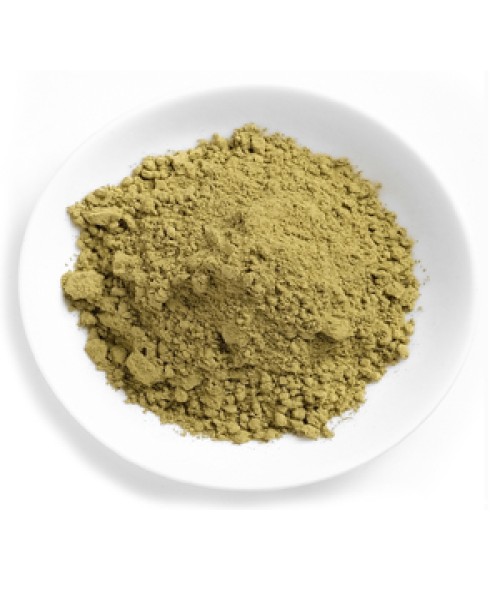
7-Hydroxymitragynine (7-OH-MIT) is a naturally occurring indole alkaloid found in Mitragyna speciosa (kratom) and is also produced as an active metabolite of mitragynine through hepatic metabolism. Due to its unique pharmacological profile and strong affinity for opioid receptors, 7-Hydroxymitragynine has become an important subject of pharmaceutical, biochemical, and receptor-binding research.
In scientific laboratories, this compound is widely utilized as an analytical reference standard for opioid receptor studies, medicinal chemistry, pharmacology, metabolism research, and forensic toxicology.
What is 7-Hydroxymitragynine?
7-Hydroxymitragynine is one of the principal active alkaloids associated with Mitragyna speciosa research. Although naturally present in very small concentrations within kratom leaves, it has attracted considerable scientific interest because of its receptor-binding characteristics and pharmacological activity.
Researchers utilize this compound to investigate opioid receptor pharmacology, metabolic pathways, receptor selectivity, medicinal chemistry, and analytical detection methods.
Chemical Structure and Properties
Important chemical characteristics include:
- Naturally derived indole alkaloid
- Terpenoid molecular framework
- Active metabolite of mitragynine
- High chemical purity for laboratory investigations
- Suitable for advanced analytical characterization
Its well-defined molecular structure makes it valuable for pharmaceutical and biochemical research.
Scientific Research Applications
7-Hydroxymitragynine is commonly investigated in:
- Opioid receptor pharmacology
- Medicinal chemistry
- Pharmaceutical development
- Neuropharmacology
- Metabolic pathway studies
- Analytical chemistry
- Toxicology research
- Structure-activity relationship (SAR) investigations
Researchers also study its receptor selectivity and biochemical interactions to better understand naturally occurring alkaloids.
Analytical Applications
Professional laboratories frequently use 7-Hydroxymitragynine for:
- LC-MS/MS analysis
- GC-MS method development
- High-Performance Liquid Chromatography (HPLC)
- High-Resolution Mass Spectrometry (HRMS)
- Analytical reference calibration
- Chemical purity verification
- Forensic sample identification
- Laboratory quality assurance
These analytical techniques assist researchers in accurate compound identification and quantitative analysis.
Why Researchers Study 7-Hydroxymitragynine
Scientific interest includes:
- Opioid receptor interaction studies
- Alkaloid metabolism research
- Pharmaceutical compound discovery
- Natural product chemistry
- Medicinal chemistry investigations
- Pharmacokinetic research
- Reference standard development
- Advanced analytical method validation
Its unique pharmacological characteristics continue to support ongoing scientific investigations.
Related Research Compounds
Researchers often compare 7-Hydroxymitragynine with:
- Mitragynine
- Mitragynine Pseudoindoxyl
- Speciociliatine
- Paynantheine
- Corynantheidine
- Other Kratom Alkaloids
- Natural Indole Alkaloids
- Opioid Receptor Ligands
Comparative studies provide valuable insight into receptor pharmacology and natural product chemistry.
Research Applications
Potential laboratory applications include:
- Pharmaceutical Research
- Medicinal Chemistry
- Analytical Chemistry
- Neuropharmacology
- Toxicology
- Academic Research
- Reference Standard Development
- Chemical Characterization
Storage and Handling
For laboratory stability:
- Store in airtight laboratory containers.
- Keep in a cool, dry location.
- Avoid exposure to moisture and direct sunlight.
- Handle using appropriate laboratory protective equipment.
- Follow institutional laboratory safety protocols.
- Use only by qualified research personnel.
Frequently Asked Questions
What is 7-Hydroxymitragynine?
7-Hydroxymitragynine is a naturally occurring indole alkaloid and an active metabolite of mitragynine that is widely used in pharmaceutical, biochemical, and analytical research.
What research areas commonly use this compound?
It is commonly utilized in medicinal chemistry, neuropharmacology, analytical chemistry, opioid receptor studies, pharmaceutical research, metabolism research, and forensic toxicology.
Which analytical techniques are used with 7-Hydroxymitragynine?
Researchers commonly employ LC-MS/MS, GC-MS, HPLC, and HRMS for compound identification, analytical validation, and quantitative analysis.
Why is 7-Hydroxymitragynine important in scientific research?
Its unique molecular structure and receptor-binding characteristics make it valuable for opioid receptor investigations, natural product chemistry, analytical method development, and pharmaceutical research.
Is this product intended for laboratory research only?
Yes. This compound is supplied exclusively for scientific, analytical, laboratory, and educational research purposes.
Disclaimer
7-Hydroxymitragynine (7-OH-MIT) is supplied exclusively for laboratory, scientific, analytical, and educational research. This product is not intended for human consumption, medical treatment, veterinary applications, or therapeutic use. Users are responsible for complying with all applicable laws, institutional regulations, and laboratory safety requirements.