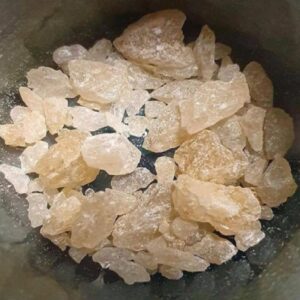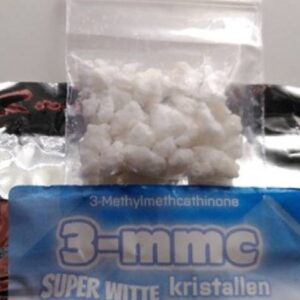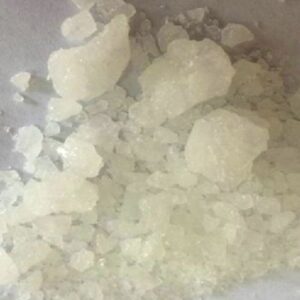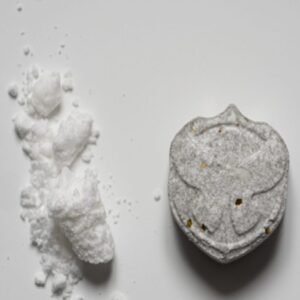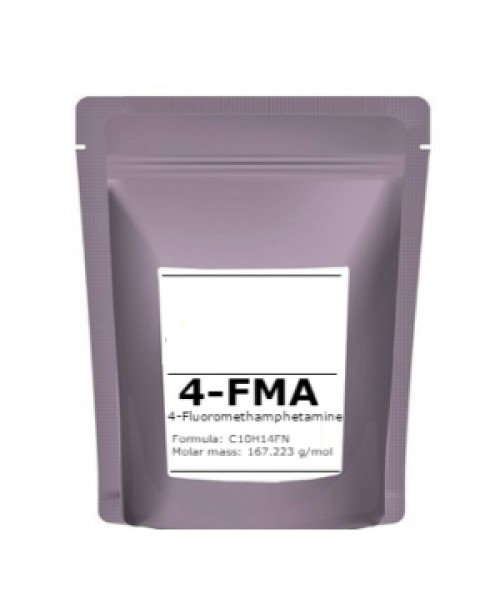
4-FMA (4-Fluoromethamphetamine) is a fluorinated methamphetamine derivative belonging to the substituted amphetamine family. The compound has been referenced in analytical chemistry, forensic toxicology, neurochemical investigations, and stimulant compound research due to its structural relationship with methamphetamine and 4-fluoroamphetamine (4-FA).
Researchers study 4-FMA for its chemical structure, analytical properties, metabolic interactions, transporter activity, and comparative pharmacological characteristics. Scientific interest primarily focuses on laboratory-based investigations involving compound identification, forensic analysis, analytical characterization, and structure-activity relationship studies.
What Is 4-FMA?
4-FMA is a fluorinated derivative of methamphetamine that contains a fluorine atom attached to the para (4-) position of the aromatic ring. This structural modification places it within the family of fluorinated amphetamine analogues frequently referenced in analytical and forensic research.
Researchers investigate 4-FMA to better understand its chemical characteristics, metabolic properties, analytical behavior, and classification among substituted amphetamine derivatives.
Chemical Structure and Classification
4-FMA belongs to the substituted amphetamine family and shares structural similarities with:
- Methamphetamine
- 4-Fluoroamphetamine (4-FA)
- Fluorinated amphetamine analogues
- Phenethylamine derivatives
Key structural features include:
- Methamphetamine backbone
- Para-fluoro substitution
- Phenethylamine-derived framework
- Fluorinated aromatic ring
These characteristics make the compound relevant for comparative analytical and neurochemical investigations.
Scientific Significance of 4-FMA Research
Scientific interest in 4-FMA stems from its relevance to:
- Amphetamine research
- Neurochemical studies
- Analytical chemistry
- Forensic toxicology
- Metabolic interaction research
- Structure-activity relationship investigations
Research involving 4-FMA contributes to scientific databases, forensic identification systems, and analytical methodologies.
Metabolism and CYP450 Research
Published research has reported that 4-FMA may interact with cytochrome P450 (CYP450) enzyme systems.
Researchers may investigate:
- CYP450 inhibition
- Metabolic interactions
- Comparative metabolism studies
- Enzyme activity analysis
- Chemical biotransformation pathways
These investigations help improve scientific understanding of fluorinated amphetamine derivatives and their analytical properties.
Why Researchers Study 4-FMA
Researchers may reference 4-FMA in studies involving:
- Analytical chemistry
- Neurochemical investigations
- Forensic toxicology
- Amphetamine research
- Compound characterization
- Laboratory testing
- Scientific documentation
- Comparative stimulant research
These studies contribute to improved analytical detection and compound classification methods.
Analytical Characterization of 4-FMA
Analytical laboratories may use multiple techniques to identify and characterize 4-FMA.
Common analytical methods include:
- High-Performance Liquid Chromatography (HPLC)
- Gas Chromatography-Mass Spectrometry (GC-MS)
- Liquid Chromatography-Mass Spectrometry (LC-MS)
- LC-MS/MS Analysis
- Spectroscopic Characterization
- Compound Verification Procedures
These techniques help researchers generate reliable analytical data and support laboratory investigations.
Related Compounds and Analogues
Researchers studying 4-FMA may also encounter:
- Methamphetamine
- 4-Fluoroamphetamine (4-FA)
- 2-Fluoromethamphetamine (2-FMA)
- Fluoroamphetamine Analogues
- Phenethylamine Derivatives
- Substituted Amphetamines
These compounds are frequently referenced in comparative analytical and neurochemical research.
Research Applications of 4-FMA
Potential scientific applications include:
- Chemical analysis
- Analytical verification
- Structural characterization
- Metabolic interaction research
- Forensic investigations
- Reference standard evaluation
- Laboratory method development
- Comparative compound research
Laboratory Storage and Handling
Research compounds should be stored under appropriate laboratory conditions to preserve sample integrity and analytical reliability. Storage in a cool, dry environment using properly sealed containers helps maintain sample quality and consistency.
All handling and research activities should be performed by qualified professionals following laboratory safety standards and applicable regulations.
Frequently Asked Questions
What is 4-FMA?
4-FMA (4-Fluoromethamphetamine) is a fluorinated methamphetamine derivative referenced in analytical chemistry, forensic toxicology, and scientific research.
What chemical family does 4-FMA belong to?
4-FMA belongs to the substituted amphetamine family of compounds.
How is 4-FMA related to methamphetamine?
4-FMA is a fluorinated analogue of methamphetamine containing a fluorine atom attached to the para position of the aromatic ring.
Why do researchers study 4-FMA?
Researchers investigate 4-FMA for analytical chemistry, neurochemical research, forensic identification, metabolic interaction studies, and structure-activity relationship investigations.
What analytical methods are commonly used to study 4-FMA?
Researchers commonly use HPLC, GC-MS, LC-MS, LC-MS/MS, spectroscopy, and compound verification techniques.
What research areas commonly reference 4-FMA?
Research fields include analytical chemistry, forensic toxicology, neurochemistry, compound characterization, and comparative stimulant investigations.
Which compounds are structurally related to 4-FMA?
Related compounds include methamphetamine, 4-FA, 2-FMA, and other fluorinated amphetamine derivatives.
Educational and Research Disclaimer
This product is intended strictly for scientific, educational, and laboratory research purposes. It is not intended for human consumption, medical use, veterinary use, or therapeutic applications. All handling and research should be conducted by qualified professionals in accordance with applicable laws, regulations, and laboratory safety standards.