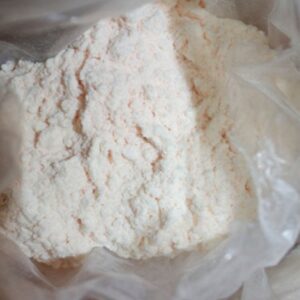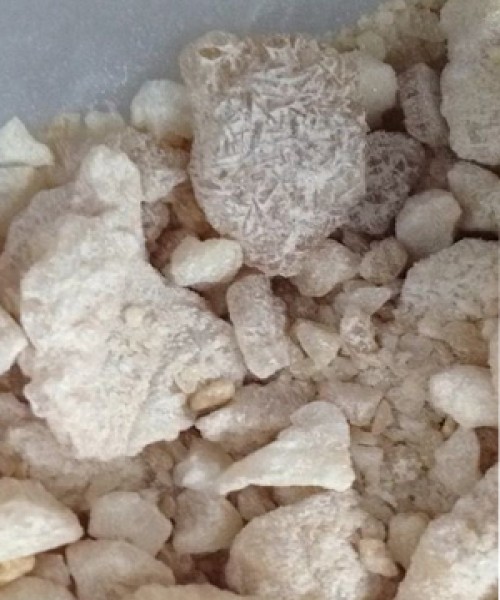
2-A1MP (BK-MMDA) is a lab-only analytical research compound for compound identification, reference comparison, and method development. Academic research institutions, pharmaceutical development teams, biotechnology laboratories, industrial analytical facilities, and scientific R&D departments use this material when they need a controlled reference for non-clinical laboratory analysis.
This analytical compound supports buyers who search for a defined research material for screening, comparison, and instrument-based identification. The buyer wants reliable identity data, cleaner documentation, and a material that fits controlled laboratory workflows.
The material should match the supplier COA, SDS, batch purity, net weight, storage condition, and handling classification. These verifiable attributes help laboratories confirm identity, traceability, and suitability before the material enters any research protocol.
This reference material performs well in research workflows because its documented identity gives analysts a fixed comparison point. The lab compares measured signals against batch records, internal criteria, and approved analytical methods. That process reduces confusion during compound review.
A researcher notices the value during sample preparation and result checking. The label, COA, and batch data keep the workflow organized. The compound helps the user compare results with less guesswork and better record control.
Research Chemical for Laboratory Analysis
Scientific buyers search for this material when they need a reference compound for instrument-based review. The compound supports LC-MS, GC-MS, HPLC, and other analytical workflows when the lab has approved methods, qualified staff, and proper documentation.
Analytical Reference Material with Batch Documentation
The material should include a COA, SDS, batch number, purity statement, net weight, storage guidance, and handling classification. These records help the buyer confirm identity, traceability, and compliance before the compound enters a research protocol.
Compound Identification for Pharma and Biotech R&D
Pharmaceutical and biotechnology teams use research compounds to compare signals, review structures, and document analytical results. This material helps researchers connect chemical identity, batch data, and internal testing criteria in one organized workflow.
Controlled Material for Industrial Testing Facilities
Industrial analytical facilities use this compound when a project needs sample comparison, method support, or verification work. The material works as a fixed reference point because documented identity data helps analysts reduce uncertainty during result review.
Institutional Procurement for Research-Only Use
This product is for licensed academic, pharmaceutical, biotechnology, industrial, and scientific R&D buyers. It is not for human use, animal use, clinical treatment, food use, cosmetic use, recreational use, personal testing, or unapproved handling.
FAQ
Is this material suitable for pharmaceutical research?
Yes, licensed pharmaceutical R&D teams may use this material for non-clinical research, analytical review, and compound comparison. The lab must follow approved internal protocols and local regulations.
What documents should come with this research compound?
The supplier should provide a COA, SDS, batch number, purity statement, storage guidance, and handling classification. These documents help the buyer verify identity, traceability, and research suitability.
How should a lab verify 2-A1MP (BK-MMDA) before use?
A lab should review the COA, SDS, batch data, purity statement, label details, and storage instructions. The researcher should match those records with internal purchasing and handling requirements.
Is this product for human or animal use?
No. This product is not for human use, animal use, clinical treatment, food use, cosmetic use, recreational use, or personal testing. The material is only for approved research and analytical laboratory work.
Can this compound support LC-MS, GC-MS, or HPLC workflows?
This material may support LC-MS, GC-MS, HPLC, or similar analytical workflows when the laboratory has validated methods, qualified staff, and approved documentation. The compound gives analysts a defined comparison point