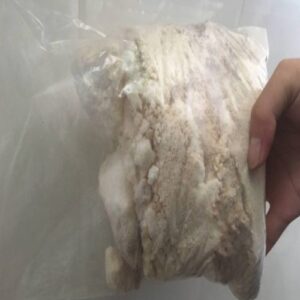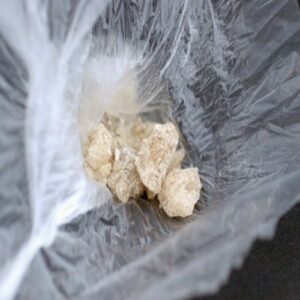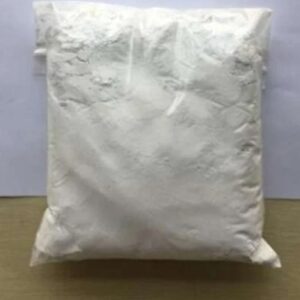
BTCP (Benocyclidine), also known as benzothiophenylcyclohexylpiperidine, is a synthetic research chemical belonging to the arycyclohexylamine class. Although structurally related to compounds such as phencyclidine (PCP), BTCP possesses a distinctly different pharmacological profile. Rather than acting as an NMDA receptor antagonist, BTCP functions primarily as a selective dopamine transporter (DAT) inhibitor, making it an important compound in neuroscience, neuropharmacology, and dopamine transporter research.
Originally described in pharmaceutical research during the late 1990s, BTCP has become a valuable analytical reference standard for studying dopamine transporter function, structure–activity relationships (SAR), and stimulant pharmacology.
What is BTCP (Benocyclidine)?
BTCP is a synthetic dopamine transporter ligand developed for scientific investigation of dopamine neurotransmission. While structurally similar to PCP, laboratory studies have shown that BTCP displays minimal affinity for the NMDA receptor, distinguishing it from classical dissociative arylcyclohexylamines.
Researchers primarily use BTCP to investigate dopamine transporter function, transporter binding mechanisms, and neurochemical signaling pathways. It also serves as an analytical reference standard for identifying emerging stimulant compounds in forensic laboratories.
Chemical Structure and Properties
BTCP possesses several defining structural characteristics:
- Arylcyclohexylamine scaffold
- Benzothiophene aromatic ring
- Piperidine functional group
- High chemical stability
- Suitable analytical reference material
These structural features make BTCP valuable for medicinal chemistry and transporter-binding research.
Pharmacological Research
Laboratory investigations indicate that BTCP functions primarily as a dopamine transporter (DAT) inhibitor, reducing dopamine reuptake and increasing extracellular dopamine concentrations in experimental models.
Scientific research has explored BTCP for:
- Dopamine transporter binding studies
- Monoamine transporter research
- Neurotransmitter regulation
- Structure–activity relationship (SAR) investigations
- Comparative stimulant pharmacology
- Dopaminergic signaling research
Unlike many arylcyclohexylamine compounds, BTCP has demonstrated negligible interaction with NMDA receptors under laboratory conditions, making it a useful model compound for selective DAT research.
Scientific Research Applications
BTCP is widely used in laboratory research involving:
- Neuropharmacology
- Dopamine Transporter (DAT) Research
- Medicinal Chemistry
- Neuroscience
- Pharmaceutical Discovery
- Analytical Chemistry
- Forensic Toxicology
- Reference Standard Development
- Drug Transporter Studies
Analytical Applications
Professional laboratories utilize BTCP reference standards for:
- LC-MS/MS Analysis
- GC-MS Identification
- High-Performance Liquid Chromatography (HPLC)
- High-Resolution Mass Spectrometry (HRMS)
- Method Validation
- Quality Control
- Reference Material Calibration
- Toxicology Screening
These analytical methods enable reliable identification and differentiation of BTCP during laboratory investigations.
Why Researchers Study BTCP
BTCP supports numerous scientific investigations involving:
- Dopamine transporter pharmacology
- Neurotransmitter transport mechanisms
- Medicinal chemistry optimization
- Stimulant structure comparison
- Forensic analytical development
- Transporter ligand discovery
- Pharmaceutical lead research
- Laboratory quality assurance
Its selective transporter profile makes it a valuable research compound in modern neuroscience.
Related Research Compounds
Researchers frequently compare BTCP with:
- Phencyclidine (PCP)
- Tenocyclidine (TCP)
- Ketamine
- Dopamine transporter ligands
- Cocaine (DAT research reference)
- Methylphenidate
- α-PVP
- α-PCyP
- Other arylcyclohexylamine derivatives
Comparative investigations improve understanding of dopamine transporter selectivity and transporter-ligand interactions.
Storage and Handling
For maximum laboratory stability:
- Store in airtight laboratory containers.
- Keep away from humidity and moisture.
- Protect from direct sunlight.
- Maintain recommended laboratory storage conditions.
- Handle using appropriate laboratory PPE.
- Intended only for qualified laboratory personnel.
Frequently Asked Questions
What is BTCP (Benocyclidine)?
BTCP is a synthetic arylcyclohexylamine research chemical used as an analytical reference standard for dopamine transporter studies, neuropharmacology, medicinal chemistry, forensic toxicology, and analytical laboratory research.
Which research fields use BTCP?
BTCP is commonly used in neuroscience, neuropharmacology, medicinal chemistry, pharmaceutical research, analytical chemistry, and forensic toxicology laboratories.
Which analytical techniques are used with BTCP?
Researchers commonly analyze BTCP using LC-MS/MS, GC-MS, HPLC, and HRMS for compound identification, quality assurance, calibration, and method validation.
Why is BTCP valuable for research?
Its selective dopamine transporter activity, unique molecular structure, and well-characterized analytical profile make BTCP valuable for transporter research, medicinal chemistry, and forensic investigations.
Is BTCP intended only for laboratory research?
Yes. BTCP is supplied exclusively for laboratory, analytical, scientific, forensic, and educational research purposes.
Disclaimer
BTCP (Benocyclidine) is intended exclusively for laboratory, analytical, scientific, and educational research. This product is not intended for human consumption, medical treatment, veterinary use, therapeutic applications, or diagnostic purposes. Users are responsible for complying with all applicable laws, regulations, and institutional laboratory safety requirements.