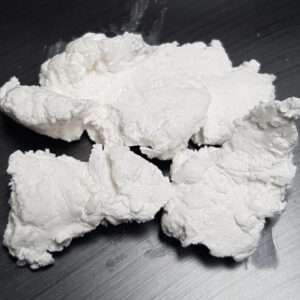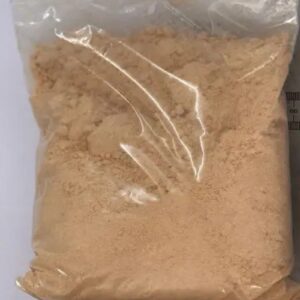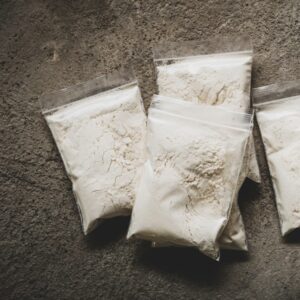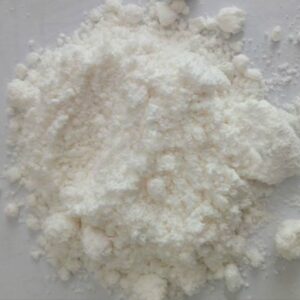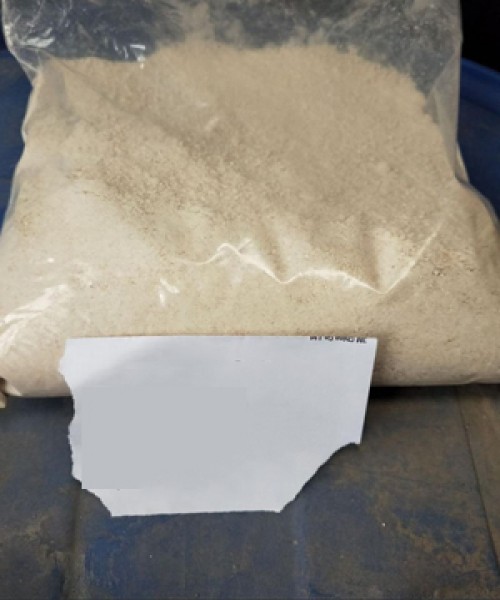
4C-ADB, commonly referred to in scientific literature as 4-Cyano ADB-BUTINACA, is a synthetic cannabinoid receptor agonist (SCRA) belonging to the indazole-3-carboxamide family. It is a structurally modified analogue of ADB-BUTINACA and has emerged as a novel psychoactive substance (NPS) of interest within forensic science, analytical chemistry, and cannabinoid receptor research.
Researchers investigate 4C-ADB for its molecular structure, receptor-binding characteristics, analytical identification methods, and forensic relevance. Due to its potency and emergence in forensic casework, the compound is frequently referenced in synthetic cannabinoid monitoring programs and laboratory investigations.
What Is 4C-ADB?
4C-ADB is a synthetic cannabinoid research compound designed around the indazole-3-carboxamide scaffold. It contains a distinctive 4-cyanobutyl substitution that differentiates it from related ADB-BUTINACA analogues.
Scientific interest in 4C-ADB centers on its structural characteristics, cannabinoid receptor interactions, forensic detection, and analytical profiling. It is commonly included in synthetic cannabinoid screening panels and reference libraries.
Chemical Structure and Classification
4C-ADB contains several important structural features:
- Indazole core structure
- Carboxamide functionality
- 4-Cyanobutyl side chain
- tert-Leucinamide moiety
These features place the compound within the broader synthetic cannabinoid family and contribute to its relevance in analytical and forensic investigations.
Cannabinoid Receptor Research
Scientific studies involving related compounds indicate interaction with cannabinoid receptor systems.
Research commonly focuses on:
- CB1 receptor binding studies
- CB2 receptor investigations
- Structure-activity relationship analysis
- Synthetic cannabinoid characterization
- Receptor affinity comparisons
- Molecular modeling research
These investigations help researchers better understand synthetic cannabinoid chemistry and receptor interactions.
Why Researchers Study 4C-ADB
Researchers may investigate 4C-ADB for:
- Novel psychoactive substance monitoring
- Cannabinoid receptor research
- Forensic toxicology investigations
- Analytical method development
- Reference standard validation
- Structure-activity relationship studies
- Compound characterization
- Scientific documentation
Its emergence in forensic casework has increased demand for analytical reference materials and detection methods.
Forensic and Analytical Detection
4C-ADB is commonly analyzed using advanced laboratory techniques.
Analytical methods include:
- Liquid Chromatography-Mass Spectrometry (LC-MS)
- LC-MS/MS Analysis
- High-Resolution Mass Spectrometry (HRMS)
- Gas Chromatography-Mass Spectrometry (GC-MS)
- Nuclear Magnetic Resonance (NMR)
- Infrared Spectroscopy (FTIR)
These methods support accurate identification, verification, and analytical characterization.
Scientific Significance of 4C-ADB
Research interest in 4C-ADB is driven by:
- Emerging synthetic cannabinoid investigations
- Forensic identification requirements
- Analytical chemistry applications
- Cannabinoid receptor research
- Structure-activity relationship studies
- Novel psychoactive substance surveillance
These research areas contribute to broader understanding of synthetic cannabinoid compounds and analytical detection strategies.
Related Research Compounds
Researchers studying 4C-ADB may also investigate:
- ADB-BUTINACA
- MDMB-4en-PINACA
- 5F-ADB
- AB-FUBINACA
- MDMB-BUTINACA
- Other Indazole-Based Cannabinoids
Comparative studies help establish relationships among synthetic cannabinoid analogues and their analytical profiles.
Research Applications
Potential scientific applications include:
- Forensic toxicology
- Analytical chemistry
- Cannabinoid receptor research
- Compound characterization
- Laboratory reference standards
- Emerging substance monitoring
- Method validation studies
- Scientific documentation
Laboratory Storage and Handling
Research compounds should be handled exclusively by trained professionals using appropriate laboratory procedures.
Recommended handling practices include:
- Appropriate PPE usage
- Controlled storage conditions
- Avoidance of direct exposure
- Laboratory safety compliance
- Proper documentation and sample management
Frequently Asked Questions
What is 4C-ADB?
4C-ADB (4-Cyano ADB-BUTINACA) is a synthetic cannabinoid research compound belonging to the indazole-3-carboxamide family.
What is the molecular formula of 4C-ADB?
The molecular formula is C19H25N5O2.
What is the molecular weight of 4C-ADB?
The molecular weight is 355.4 g/mol.
What chemical family does 4C-ADB belong to?
It belongs to the synthetic cannabinoid family and specifically the indazole-3-carboxamide subclass.
Why do researchers study 4C-ADB?
Researchers investigate 4C-ADB for forensic toxicology, cannabinoid receptor studies, analytical chemistry, and novel psychoactive substance monitoring.
What analytical methods are used to identify 4C-ADB?
Common methods include LC-MS, LC-MS/MS, HRMS, GC-MS, FTIR, and NMR spectroscopy.
Which compounds are related to 4C-ADB?
Related compounds include ADB-BUTINACA, MDMB-BUTINACA, 5F-ADB, AB-FUBINACA, and other synthetic cannabinoids.
Is 4C-ADB used as a laboratory reference standard?
Yes. Research laboratories may utilize 4C-ADB as an analytical reference material for identification and verification studies.
Educational and Research Disclaimer
This product is intended strictly for scientific, educational, forensic, and laboratory research purposes only. It is not intended for human consumption, medical use, veterinary use, or therapeutic applications. All handling, storage, and research activities should be conducted by qualified professionals in accordance with applicable laws, regulations, and laboratory safety standards.