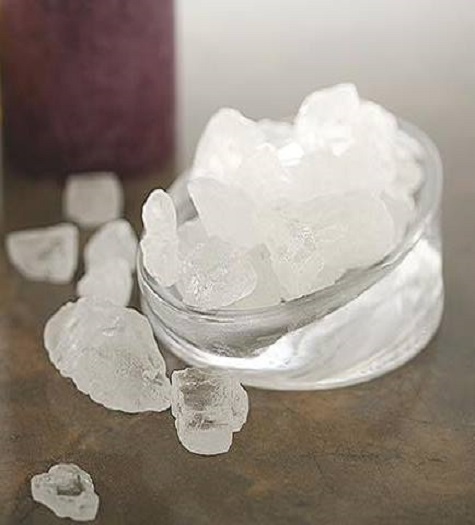
Pyrovalerone (4-MPRC) ist eine hochreine pyrrolidinophenone analytical reference standard widely used in forensic toxicology, medicinal chemistry, analytical chemistry, neuropharmacology, and pharmaceutical research. Originally developed during pharmaceutical research in the 1960s, Pyrovalerone has become an important compound for studying monoamine transporter pharmacology, structure–activity relationships (SAR), and analytical detection of substituted cathinone derivatives.
Today, Pyrovalerone is supplied exclusively as a laboratory reference material for qualified research institutions conducting analytical, forensic, and scientific investigations.
What is Pyrovalerone?
Pyrovalerone is a synthetic pyrrolidinophenone derivative that has played an important role in the study of monoamine transporter pharmacology. Its defined molecular structure and well-documented analytical profile make it valuable for forensic laboratories, medicinal chemistry programs, and analytical method development.
Researchers use Pyrovalerone as a reference compound to investigate transporter interactions, analytical identification, and the molecular properties of substituted cathinones.
Chemische Struktur und Eigenschaften
Pyrovalerone possesses several notable structural characteristics:
- Pyrrolidine ring
- β-Keto functional group
- 4-Methyl substituted phenyl ring
- Pentanone backbone
- Stabile Kristallstruktur
These molecular features support reproducible analytical performance and facilitate comparative SAR studies among related pyrrolidinophenone compounds.
Pharmakologische Forschung
Experimental research indicates that Pyrovalerone primarily interacts with catecholamine transporter systems, making it a valuable model compound in neuropharmacology.
Current research areas include:
- Studien zum Dopamintransporter (DAT).
- Untersuchungen zum Noradrenalintransporter (NET)
- Monoamine transporter pharmacology
- Neurochemische Signalforschung
- Struktur–Aktivitäts-Beziehung (SAR) Analyse
- Comparative cathinone pharmacology
- Medicinal chemistry optimization
Its transporter interaction profile provides important insights into molecular recognition and transporter binding.
Wissenschaftliche Forschung Anwendungen
Pyrovalerone is commonly utilized in:
- Forensische Toxikologie Labors
- Forschung in der analytischen Chemie
- Academic neuroscience
- Medizinische Chemie-Programme
- Pharmazeutische Entwicklung
- Studien zum Arzneimittelstoffwechsel
- Qualitätssicherungslabors
- Chemical reference standard development
- Neurpharmakologie-Forschung
Analytische Anwendungen
Professional laboratories use Pyrovalerone for:
- LC-MS/MS-Kalibrierung
- GC-MS-Analyse
- Hochleistungsflüssigchromatographie (HPLC)
- High-Resolution Mass Spectrometry (HRMS)
- Toxikologie-screening
- Methodenvalidierung
- Qualitätskontrolle
- Analytische Referenz-Bibliothek-Entwicklung
Its well-characterized analytical profile enables accurate identification and differentiation from structurally related pyrrolidinophenone derivatives.
Why Researchers Choose Pyrovalerone
Researchers select Pyrovalerone because it offers:
- Gut charakterisierten molekularen Struktur
- Hohe analytische Reinheit
- Eine zuverlässige Labor-Leistung
- Valuable monoamine transporter research model
- Konsistentes analytisches Referenzmaterial
- Breite forensische Anwendungen
- Hervorragende Vergleichsverbindung für SAR-Untersuchungen
These characteristics make Pyrovalerone an important analytical standard across multiple scientific disciplines.
Verwandte Forschungs-Verbindungen
Researchers frequently compare Pyrovalerone with:
- α-PVP
- α-PHP
- α-PCyP
- α-PHiP
- MDPV
- Prolintane
- 4F-PHP
- A-D2PV
- Andere substituierte Cathinone
Comparative studies improve understanding of transporter affinity, metabolism, analytical identification, and molecular structure within the pyrrolidinophenone family.
Lagerung und Handhabung
Für maximale Laborstabilität:
- Speichern Sie in luftdichten Labor-Container.
- Schützen Sie es vor Feuchtigkeit und Nässe.
- Keep away from direct sunlight.
- Pflegen empfohlen Labor-Lagerung Temperaturen.
- Griff mit geeigneten Labor PSA.
- Folgen institutionellen Labor-Sicherheits-Verfahren.
Häufig gestellte Fragen
What is Pyrovalerone (4-MPRC)?
Pyrovalerone is a pyrrolidinophenone analytical reference standard used in forensic toxicology, medicinal chemistry, neuropharmacology, and analytical chemistry research.
Which laboratories use Pyrovalerone?
It is commonly used by forensic laboratories, pharmaceutical researchers, academic research institutions, medicinal chemists, analytical chemistry laboratories, and toxicology facilities.
Which analytical techniques are suitable for Pyrovalerone?
Researchers commonly analyze Pyrovalerone using LC-MS/MS, GC-MS, HPLC, and HRMS for compound identification, calibration, quality assurance, and analytical method validation.
Why is Pyrovalerone important in research?
Its defined chemical structure, transporter interaction profile, and analytical consistency make it valuable for pharmacological investigations, forensic studies, and medicinal chemistry research.
Is Pyrovalerone intended only for research?
Ja. Dieses Produkt ist ausschließlich für Labor, analytischen, wissenschaftlichen, Bildungs-und wissenschaftliche Zwecke.
Haftungsausschluss
Pyrovalerone (4-MPRC) geliefert wird Streng für Labor-, Analyse-, Wissenschafts- und Bildungsforschung. Es ist nicht für den menschlichen Verzehr, medizinische Behandlung, Tierarzneimittel, therapeutische Maßnahmen oder diagnostische ZweckeDie Forscher sind dafür verantwortlich, die Einhaltung aller geltenden Gesetze, institutionellen Richtlinien und Laborsicherheitsvorschriften sicherzustellen.

 English
 Español
 Français
 Português
 Deutsch