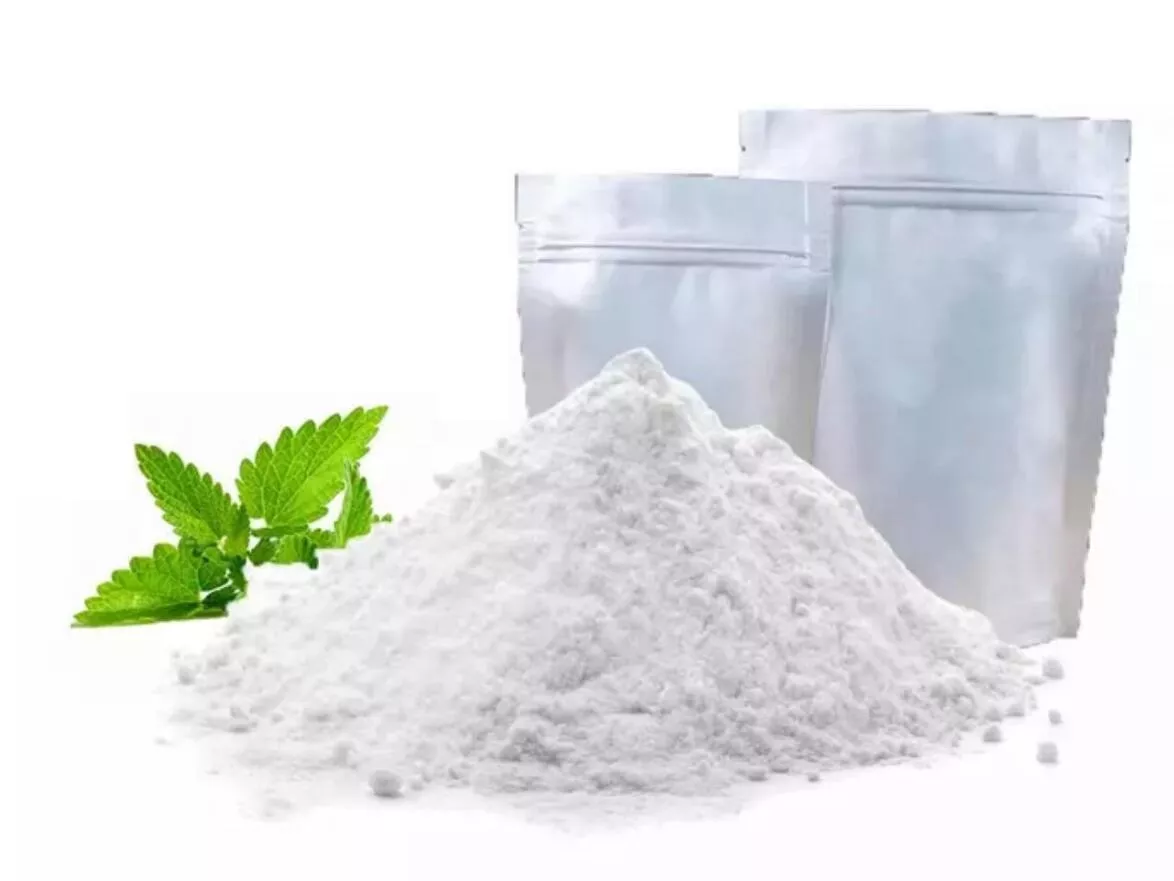
4-HO-MET (4-Hydroxy-N-Methyl-N-Ethyltryptamine), commonly known as Metocin or Methylcybin, is a substituted tryptamine research compound belonging to the 4-hydroxytryptamine family. Structurally related to psilocin (4-HO-DMT), 4-HO-MET has attracted scientific interest in receptor pharmacology, neurochemical research, analytical chemistry, and structure-activity relationship investigations.
Researchers study 4-HO-MET for its serotonin receptor interactions, analytical properties, metabolic pathways, and molecular characteristics. The compound is frequently referenced in scientific literature involving tryptamine chemistry and receptor-binding studies.
What Is 4-HO-MET?
4-HO-MET is a substituted tryptamine and a close structural analogue of psilocin (4-HO-DMT). It is the 4-hydroxy derivative of methylethyltryptamine (MET) and belongs to a family of compounds commonly studied for their serotonin receptor interactions and neurochemical properties.
Researchers investigate 4-HO-MET to better understand receptor activity, analytical behavior, metabolism, and structural relationships among substituted tryptamines.
Chemische Struktur und Klassifizierung
4-HO-MET belongs to the substituted tryptamine family and contains several defining structural features:
- Tryptamine molecular framework
- Hydroxyl substitution at the 4-position
- N-Methyl-N-Ethyl substitution
- Indole-based structure
These characteristics make 4-HO-MET an important reference compound for comparative tryptamine research.
Rezeptorbindung und pharmakologische Forschung
Published studies have shown that 4-HO-MET interacts with multiple serotonin receptor systems.
Research has identified affinity for:
- 5-HT2A Receptors
- 5-HT2B Receptors
- 5-HT2C Receptors
- 5-HT1A Receptors
- Additional serotonin receptor subtypes
Scientific investigations commonly reference 4-HO-MET as a non-selective serotonin receptor agonist in receptor-binding studies and neurochemical research.
Scientific Significance of 4-HO-MET Research
Scientific interest in 4-HO-MET stems from its relevance to:
- Tryptamine research
- Serotonin receptor investigations
- Neurochemische Studien
- Analytische Chemie
- Rezeptorpharmakologie
- Struktur-Aktivitäts-Beziehungsanalyse
Research involving 4-HO-MET contributes to understanding how structural modifications influence receptor interactions within substituted tryptamines.
Stoffwechselforschung
The metabolism of 4-HO-MET has been investigated in laboratory studies.
Forschungsgebiete umfassen:
- Metabolitenidentifikation
- Human liver microsome studies
- Analytische Nachweismethoden
- Biotransformation pathways
- Charakterisierung von Verbindungen
These investigations support analytical identification and forensic research involving tryptamine compounds.
Why Researchers Study 4-HO-MET
Researchers may reference 4-HO-MET in studies involving:
- Serotonin receptor research
- Neurochemische Untersuchungen
- Tryptamine characterization
- Analytische Chemie
- Stoffwechselstudien
- Labortests
- Wissenschaftliche Dokumentation
- Vergleichende Pharmakologie
These studies contribute to broader understanding of receptor activity and molecular structure relationships.
Analytical Characterization of 4-HO-MET
Analytical laboratories may use multiple techniques to identify and characterize 4-HO-MET.
Zu den gängigen Analysemethoden gehören:
- Hochleistungsflüssigchromatographie (HPLC)
- Flüssigkeitschromatographie-Massenspektrometrie (LC-MS)
- LC-MS/MS-Analyse
- Gaschromatographie-Massenspektrometrie (GC-MS)
- Spektroskopische Charakterisierung
- Receptor Binding Assays
These methods help generate reliable analytical data for scientific investigations.
Verwandte Verbindungen und Analoga
Researchers studying 4-HO-MET may also encounter:
- Psilocin (4-HO-DMT)
- 4-ho-det
- 4-HO-MiPT
- 4-HO-DPT
- 4-HO-MPT
- MET (Methylethyltryptamine)
- 4-AcO-MET
- 5-MeO-MET
These compounds are commonly referenced in comparative receptor and structure-activity research.
Historical Research Background
4-HO-MET was originally discovered by Alexander Shulgin during the 1970s and was later described in scientific literature by David Repke and colleagues in 1981.
The compound remains a notable member of the substituted tryptamine family and is frequently referenced in modern analytical and receptor pharmacology research.
Research Applications of 4-HO-MET
Mögliche wissenschaftliche Anwendungen sind:
- Untersuchungen zur Rezeptorbindung
- Neurochemische Forschung
- Analytische Überprüfung
- Strukturelle Charakterisierung
- Stoffwechselstudien
- Comparative tryptamine research
- Referenzstandardbewertung
- Wissenschaftliche Dokumentation
Lagerung und Handhabung im Labor
Research compounds should be stored under appropriate laboratory conditions to maintain analytical integrity and sample stability. Proper storage practices help support reliable research outcomes and accurate analytical investigations.
Alle Handhabungs- und Forschungsaktivitäten sollten von qualifizierten Fachkräften unter Einhaltung der Laborsicherheitsstandards und geltenden Vorschriften durchgeführt werden.
Häufig gestellte Fragen
What is 4-HO-MET?
4-HO-MET (Metocin) is a substituted tryptamine research compound commonly referenced in receptor pharmacology, neurochemical investigations, and analytical chemistry.
What is the molecular formula of 4-HO-MET?
The molecular formula of 4-HO-MET is C13H18N2O.
What is the molecular weight of 4-HO-MET?
The molecular weight of 4-HO-MET is 218.30 g/mol.
What chemical family does 4-HO-MET belong to?
4-HO-MET belongs to the substituted tryptamine and 4-hydroxytryptamine families.
Which receptors are commonly studied with 4-HO-MET?
Research commonly focuses on serotonin receptors including 5-HT2A, 5-HT2B, 5-HT2C, and 5-HT1A.
Which compounds are structurally related to 4-HO-MET?
Related compounds include psilocin (4-HO-DMT), 4-HO-DET, 4-HO-MiPT, 4-HO-DPT, MET, and 4-AcO-MET.
What analytical methods are used to study 4-HO-MET?
Researchers commonly use HPLC, LC-MS, LC-MS/MS, GC-MS, spectroscopy, and receptor-binding assays.
Why is 4-HO-MET important in scientific research?
It is referenced because of its relevance to serotonin receptor investigations, tryptamine chemistry, neurochemical studies, and structure-activity relationship research.
Haftungsausschluss für Bildung und Forschung
Dieses Produkt ist ausschließlich für wissenschaftliche, pädagogische und Laborforschungszwecke bestimmt. Es ist nicht für den menschlichen Verzehr, medizinische Zwecke, veterinärmedizinische Zwecke oder therapeutische Anwendungen bestimmt. Die gesamte Handhabung und Untersuchung sollte von qualifiziertem Fachpersonal in Übereinstimmung mit den geltenden Gesetzen, Vorschriften und Laborsicherheitsstandards durchgeführt werden.

 English
 Español
 Français
 Português
 Deutsch