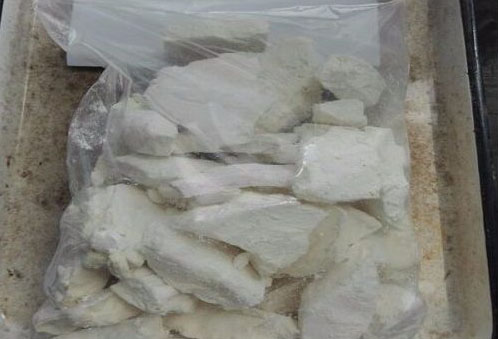
N-Ethylhexylone is a synthetic substituted cathinone research compound belonging to the cathinone class of novel psychoactive substances (NPS). Originally identified during forensic investigations of emerging designer stimulants, N-Ethylhexylone has become an important analytical reference standard used in forensic toxicology, medicinal chemistry, analytical chemistry, and pharmaceutical research.
Due to its well-characterized molecular structure and forensic significance, N-Ethylhexylone is frequently utilized in analytical method development, drug metabolism investigations, forensic identification, pharmaceutical analysis, and structure–activity relationship (SAR) studies.
N-Ethylhexylone is supplied strictly for laboratory, analytical, and scientific research purposes only. It is not approved for human or veterinary use.
What is N-Ethylhexylone?
N-Ethylhexylone is a synthetic substituted cathinone structurally related to several designer stimulant compounds. It has gained scientific attention because of its occurrence in forensic casework involving novel psychoactive substances (NPS) and its importance in analytical chemistry and toxicological research.
Research laboratories utilize N-Ethylhexylone as a certified analytical reference material to support forensic screening, analytical method validation, metabolite identification, toxicological investigations, and structure–activity relationship (SAR) research.
Chemische Struktur und Eigenschaften
N-Ethylhexylone possesses several analytical characteristics valuable for laboratory research:
- Substituierte Cathinon-Grundstruktur
- Methylenedioxy-substituted aromatic system
- Hohe analytische Stabilität
- Gut definiertes chromatographisches Verhalten
- Hervorragende Kompatibilität mit LC-MS/MS und GC-MS Instrumentierung
- Geeignet für analytische Referenz-Bibliothek-Entwicklung
- Zuverlässige forensic identification marker
Diese Eigenschaften ermöglichen reproduzierbare Laboranalysen und eine analytische Identifizierung mit hoher Vertrauenswürdigkeit.
Wissenschaftliche Forschung Anwendungen
N-Ethylhexylone is widely employed in:
- Analytische Chemie
- Medizinische Chemie
- Pharmazeutische Forschung
- Droge Metabolismus-Untersuchungen
- Forensische Toxikologie
- Toxikologische screening
- Akademische Forschung
- Neuartige psychoaktive Substanzen (NPS) überwachung
- Analytische Referenz Standardentwicklung
- Structure–activity relationship (SAR) studies
Analytische Anwendungen
Professional laboratories commonly use N-Ethylhexylone for:
- LC-MS/MS-Kalibrierung
- GC-MS Identifizierung
- LC-HRMS-Analyse
- HPLC-Methode Validierung
- Analytische Methode Entwicklung
- Forensische Drogen-screening
- Qualität assurance Prüfung
- Metabolite profiling
- Toxikologie-Referenz-Bibliothek-Erstellung
Die konsequente analytische Leistung macht es wertvoll für die modernen forensischen und pharmazeutischen Laboratorien.
Pharmakologie-Forschung
Researchers investigate N-Ethylhexylone in studies involving:
- Charakterisierung von substituierten Cathinon-Analoga
- Struktur–Aktivitäts-Beziehung (SAR) Analyse
- Droge Metabolismus und biotransformation
- Medizinische Chemie
- Analytische Toxikologie
- Pharma-analytische Forschung
- Forschung zu neuen psychoaktiven Substanzen (NPS)
- Gerichtsmedizin
Diese Untersuchungen tragen zu Fortschritten in der Analysewissenschaft und der pharmazeutischen Forschung bei.
Why Researchers Choose N-Ethylhexylone
Researchers select N-Ethylhexylone because it provides:
- Hohe analytische Reinheit
- Gut charakterisierten molekularen Struktur
- Stabile chromatographische Verhalten
- Ausgezeichnete massenspektrometrischen Antwort
- Erhebliche forensische Bedeutung
- Zuverlässige analytische Referenz Funktionen
- Breite Anwendbarkeit in der Toxikologie Labors
Verwandte Forschungs-Verbindungen
Researchers frequently compare N-Ethylhexylone with related compounds including:
- Eutylon
- Ethylon
- Ephylone
- Isohexylone
- N-Ethylhexedron
- N-Ethylheptylon
- MDPHP
- MDPV
- MDPEP
- Dithylon
Vergleichende Studien unterstützen analytische Identifizierung, Stoffwechselforschung und Struktur-Aktivitäts-Beziehungsbeziehungen.
Lagerung und Handhabung
Für eine optimale Labor-Stabilität:
- Speichern Sie in luftdichten Labor-Container.
- Schützen Sie sich vor Hitze, Feuchtigkeit und direktem Sonnenlicht.
- Pflegen Speicher in einem kühlen, trockenen Umgebung.
- Griff mit geeigneten Labor persönliche Schutzausrüstung (PSA).
- Folgen institutionellen Labor-Sicherheits-Verfahren.
Häufig gestellte Fragen
What is N-Ethylhexylone?
N-Ethylhexylone is a synthetic substituted cathinone used as an analytical reference standard in forensic toxicology, medicinal chemistry, analytical chemistry, and pharmaceutical research.
Which laboratories use N-Ethylhexylone?
Es wird allgemein verwendet, die von forensischen Labors, Toxikologie Labors, Pharma-Forscher, akademischen Institutionen und der analytischen Chemie Labors.
Die analytischen Techniken werden Häufig verwendet?
Researchers commonly analyze N-Ethylhexylone using LC-MS/MS, GC-MS, LC-HRMS, HPLC, and related analytical techniques.
Why is N-Ethylhexylone valuable in research?
Sein gut charakterisiertes molekulares Profil, seine analytische Stabilität und seine forensische Bedeutung machen es für die Methodenvalidierung, die Identifizierung von Metaboliten und die Entwicklung analytischer Referenzen wertvoll.
Is N-Ethylhexylone intended only for research?
Yes. N-Ethylhexylone is supplied exclusively for laboratory, analytical, scientific, and educational research purposes.
Haftungsausschluss
N-Ethylhexylone is supplied strictly for laboratory, analytical, scientific, and educational research purposes only. It is not intended for human consumption, medical treatment, veterinary applications, therapeutic use, or diagnostic procedures. Users are responsible for complying with all applicable local laws, institutional policies, and laboratory safety regulations.

 English
 Español
 Français
 Português
 Deutsch