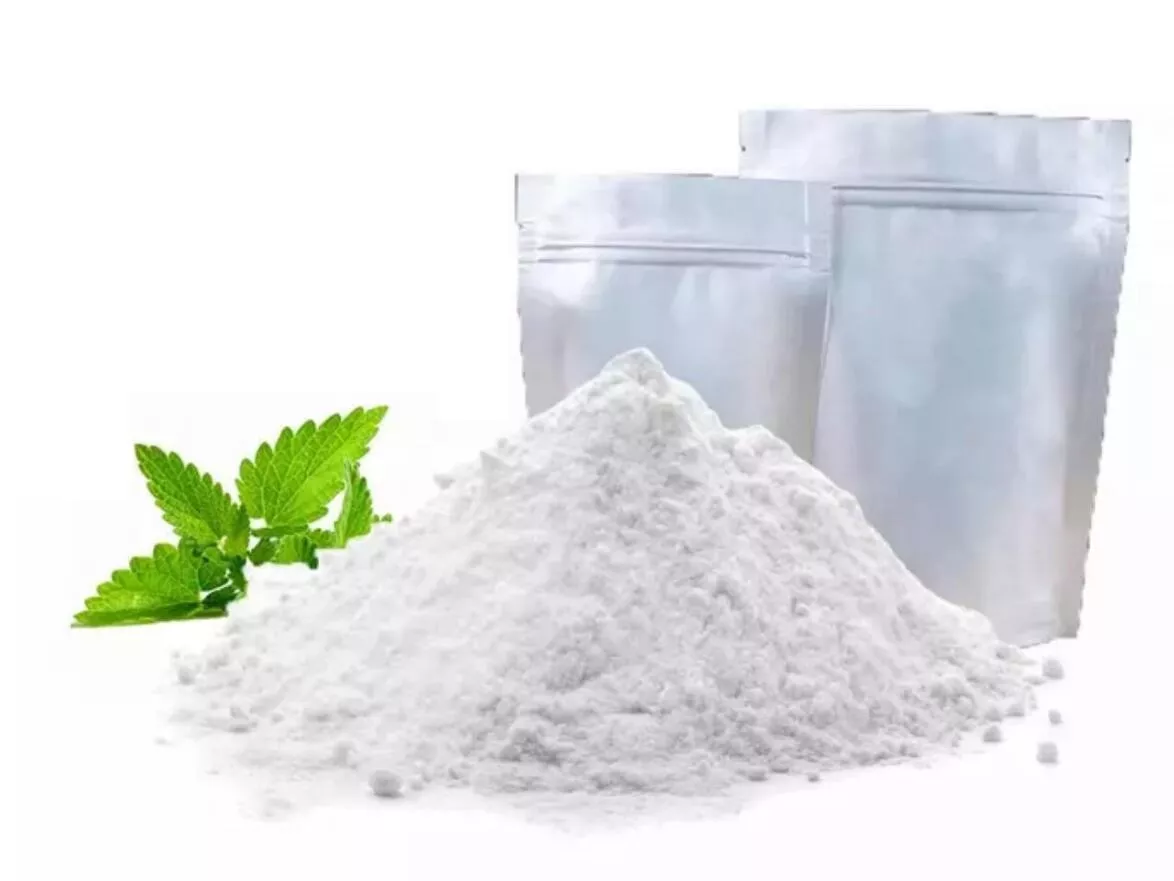
4-HO-MET (4-Hydroxy-N-Methyl-N-Ethyltryptamine), commonly known as Metocin or Methylcybin, is a substituted tryptamine research compound belonging to the 4-hydroxytryptamine family. Structurally related to psilocin (4-HO-DMT), 4-HO-MET has attracted scientific interest in receptor pharmacology, neurochemical research, analytical chemistry, and structure-activity relationship investigations.
Researchers study 4-HO-MET for its serotonin receptor interactions, analytical properties, metabolic pathways, and molecular characteristics. The compound is frequently referenced in scientific literature involving tryptamine chemistry and receptor-binding studies.
What Is 4-HO-MET?
4-HO-MET is a substituted tryptamine and a close structural analogue of psilocin (4-HO-DMT). It is the 4-hydroxy derivative of methylethyltryptamine (MET) and belongs to a family of compounds commonly studied for their serotonin receptor interactions and neurochemical properties.
Researchers investigate 4-HO-MET to better understand receptor activity, analytical behavior, metabolism, and structural relationships among substituted tryptamines.
Structure chimique et classification
4-HO-MET belongs to the substituted tryptamine family and contains several defining structural features:
- Tryptamine molecular framework
- Substitution hydroxyle en position 4
- N-Methyl-N-Ethyl substitution
- Structure basée sur Indole
These characteristics make 4-HO-MET an important reference compound for comparative tryptamine research.
Recherche sur la liaison aux récepteurs et la pharmacologie
Published studies have shown that 4-HO-MET interacts with multiple serotonin receptor systems.
Research has identified affinity for:
- Récepteurs 5-HT2A
- 5 récepteurs HT2B
- Récepteurs 5-HT2C
- Récepteurs 5-HT1A
- Sous-types de récepteurs de sérotonine supplémentaires
Scientific investigations commonly reference 4-HO-MET as a non-selective serotonin receptor agonist in receptor-binding studies and neurochemical research.
Scientific Significance of 4-HO-MET Research
Scientific interest in 4-HO-MET stems from its relevance to:
- Recherche sur la tryptamine
- Serotonin receptor investigations
- études neurochimiques
- Chimie analytique
- pharmacologie des récepteurs
- analyse des relations structure-activité
Research involving 4-HO-MET contributes to understanding how structural modifications influence receptor interactions within substituted tryptamines.
Recherche sur le métabolisme
The metabolism of 4-HO-MET has been investigated in laboratory studies.
Les domaines de recherche comprennent :
- Identification des métabolites
- Human liver microsome studies
- Méthodes de détection analytique
- Biotransformation pathways
- Caractérisation du composé
These investigations support analytical identification and forensic research involving tryptamine compounds.
Why Researchers Study 4-HO-MET
Researchers may reference 4-HO-MET in studies involving:
- Recherche sur les récepteurs de la sérotonine
- Investigations neurochimiques
- Caractérisation de la tryptamine
- Chimie analytique
- Etudes de métabolisme
- Tests en laboratoire
- Documentation scientifique
- Comparative pharmacology
These studies contribute to broader understanding of receptor activity and molecular structure relationships.
Analytical Characterization of 4-HO-MET
Analytical laboratories may use multiple techniques to identify and characterize 4-HO-MET.
Les méthodes analytiques courantes comprennent :
- Chromatographie liquide haute performance (HPLC)
- Chromatographie Liquide-Spectrométrie de Masse (LC-MS)
- Analyse LC-MS/MS
- Chromatographie en phase gazeuse-spectrométrie de masse (GC-MS)
- Caractérisation spectroscopique
- Essais de liaison des récepteurs
Ces méthodes aident à générer des données analytiques fiables pour les recherches scientifiques.
Composés et analogues associés
Researchers studying 4-HO-MET may also encounter:
- Psilocine (4-HO-DMT)
- 4-HO-DET
- 4-HO-MiPT
- 4-DPT
- 4-HO-MPT
- MET (Methylethyltryptamine)
- 4-AcO-MET
- 5-MeO-MET
These compounds are commonly referenced in comparative receptor and structure-activity research.
Fond de recherche historique
4-HO-MET was originally discovered by Alexander Shulgin during the 1970s and was later described in scientific literature by David Repke and colleagues in 1981.
The compound remains a notable member of the substituted tryptamine family and is frequently referenced in modern analytical and receptor pharmacology research.
Research Applications of 4-HO-MET
Les applications scientifiques potentielles comprennent :
- Études de liaison aux récepteurs
- Recherche neurochimique
- Vérification analytique
- Caractérisation structurelle
- Etudes de métabolisme
- Recherche comparative de la tryptamine
- Évaluation de l'étalon de référence
- Documentation scientifique
Stockage et manipulation en laboratoire
Research compounds should be stored under appropriate laboratory conditions to maintain analytical integrity and sample stability. Proper storage practices help support reliable research outcomes and accurate analytical investigations.
Toutes les activités de manipulation et de recherche doivent être effectuées par des professionnels qualifiés conformément aux normes de sécurité des laboratoires et aux réglementations applicables.
Foire aux questions
What is 4-HO-MET?
4-HO-MET (Metocin) is a substituted tryptamine research compound commonly referenced in receptor pharmacology, neurochemical investigations, and analytical chemistry.
What is the molecular formula of 4-HO-MET?
The molecular formula of 4-HO-MET is C13H18N2O.
What is the molecular weight of 4-HO-MET?
The molecular weight of 4-HO-MET is 218.30 g/mol.
What chemical family does 4-HO-MET belong to?
4-HO-MET belongs to the substituted tryptamine and 4-hydroxytryptamine families.
Which receptors are commonly studied with 4-HO-MET?
Research commonly focuses on serotonin receptors including 5-HT2A, 5-HT2B, 5-HT2C, and 5-HT1A.
Which compounds are structurally related to 4-HO-MET?
Related compounds include psilocin (4-HO-DMT), 4-HO-DET, 4-HO-MiPT, 4-HO-DPT, MET, and 4-AcO-MET.
What analytical methods are used to study 4-HO-MET?
Researchers commonly use HPLC, LC-MS, LC-MS/MS, GC-MS, spectroscopy, and receptor-binding assays.
Why is 4-HO-MET important in scientific research?
It is referenced because of its relevance to serotonin receptor investigations, tryptamine chemistry, neurochemical studies, and structure-activity relationship research.
Avis de non-responsabilité en matière d'éducation et de recherche
Ce produit est strictement destiné à des fins de recherche scientifique, éducative et en laboratoire. Il n’est pas destiné à la consommation humaine, à un usage médical, vétérinaire ou à des applications thérapeutiques. Toutes les manipulations et recherches doivent être effectuées par des professionnels qualifiés conformément aux lois, réglementations et normes de sécurité des laboratoires applicables.
 English
 Español
 Français
 Português
 Deutsch