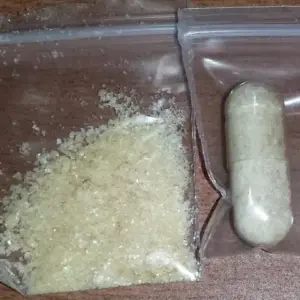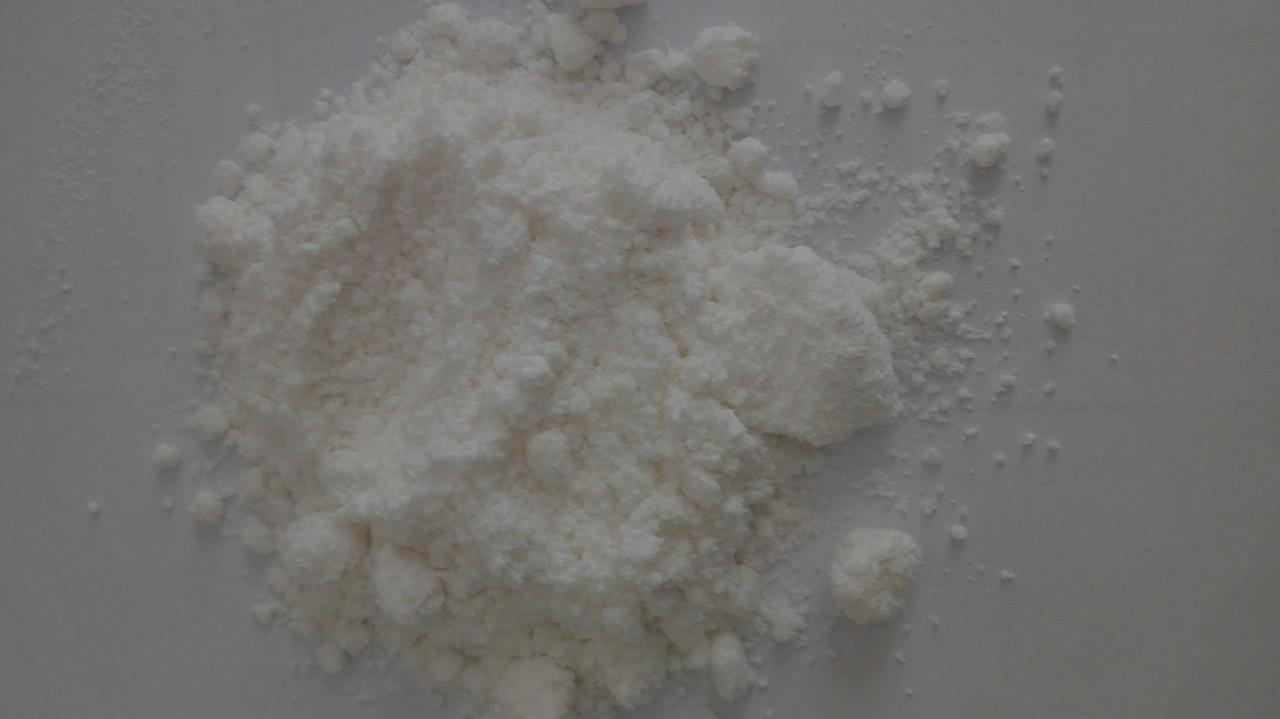
2C-H, also known as 2,5-Dimethoxyphenethylamine (2,5-DMPEA), is a phenethylamine compound and the parent molecule of the 2C family of compounds. Scientific literature identifies 2C-H as a foundational structure from which numerous 4-substituted 2C derivatives have been developed, including compounds such as 2C-B, 2C-C, 2C-D, 2C-E, and 2C-I.
Researchers study 2C-H because of its importance in phenethylamine chemistry, receptor interaction research, compound characterization, and structure-activity relationship investigations. Its role as the parent compound of the 2C series makes it relevant in analytical chemistry and scientific documentation involving substituted phenethylamines.
What Is 2C-H?
2C-H is a phenethylamine-derived compound recognized as the parent compound of the 2C family of substances. Within scientific literature, it serves as an important reference structure for understanding the chemistry, receptor interactions, and structure-activity relationships of related phenethylamine compounds.
Because many members of the 2C series are derived from the 2C-H molecular framework, researchers often reference this compound when studying substitution patterns, chemical modifications, and comparative analytical characteristics.
Why Is 2C-H Studied?
Scientific interest in 2C-H generally focuses on:
- Phenethylamine chemistry
- Structure-activity relationship research
- Compound characterization
- Receptor interaction studies
- Analytical identification
- Comparative investigations involving 2C derivatives
Research involving 2C-H contributes to a broader understanding of how structural modifications influence measurable chemical and pharmacological properties within the phenethylamine family.
Key Research Areas
Phenethylamine Research
2C-H serves as an important reference compound within phenethylamine research and is frequently discussed in scientific investigations involving related derivatives.
Structure-Activity Relationship Studies
Researchers may compare 2C-H with substituted 2C compounds to examine how chemical modifications influence receptor interactions and measurable biological properties.
Compound Characterization
Scientific investigations often focus on structural analysis, chemical verification, and analytical evaluation of 2C-H and related compounds.
Receptor Interaction Research
Published studies have examined receptor affinity profiles and interaction patterns associated with 2C-H within laboratory settings.
Scientific Documentation
Research organizations frequently require reliable analytical data and reference information for scientific records, laboratory reports, and ongoing investigations.
Analytical Methods Commonly Used in Research
Laboratory investigations involving 2C-H may include:
- High-Performance Liquid Chromatography (HPLC)
- Liquid Chromatography-Mass Spectrometry (LC-MS)
- Gas Chromatography-Mass Spectrometry (GC-MS)
- Spectroscopic Analysis
- Compound Verification Procedures
- Structural Characterization Techniques
These analytical methods help researchers identify, characterize, and compare chemical compounds within controlled laboratory environments.
Related Compounds and Derivatives
Scientific literature identifies 2C-H as the parent compound of numerous 2C derivatives, including:
- 2C-B
- 2C-C
- 2C-D
- 2C-E
- 2C-I
- 2C-N
These compounds are often studied in comparative investigations involving phenethylamine chemistry and structure-activity relationships.
Frequently Asked Questions
What is 2C-H?
2C-H is a phenethylamine-derived compound that serves as the parent compound of the 2C family of substances.
What are the alternative names of 2C-H?
Alternative names include 2,5-Dimethoxyphenethylamine, 2,5-DMPEA, DMPEA-4, NCS-168525, and 2C-DOH.
What is the molecular formula of 2C-H?
The molecular formula of 2C-H is C10H15NO2.
What is the CAS number of 2C-H?
The primary CAS number of 2C-H is 3600-86-0, while the hydrochloride form is identified by CAS number 3166-74-3.
Why is 2C-H important in scientific research?
2C-H is significant because it serves as the parent structure of the 2C compound family and is frequently referenced in phenethylamine research and structure-activity relationship studies.
What research fields study 2C-H?
Research may involve analytical chemistry, receptor interaction studies, phenethylamine research, compound characterization, and comparative scientific investigations.
Which analytical methods are commonly used to study 2C-H?
Researchers may use HPLC, LC-MS, GC-MS, spectroscopy, and other analytical techniques depending on study requirements.
Which compounds are derived from 2C-H?
Several compounds within the 2C family, including 2C-B, 2C-C, 2C-D, 2C-E, 2C-I, and 2C-N, are derived from the 2C-H molecular framework.
Research Disclaimer
This page is provided for educational, scientific, and informational purposes only. Information regarding 2C-H is intended to support academic discussion, scientific understanding, and research reference activities. Any research involving this compound should be conducted by qualified professionals in accordance with applicable laws, regulations, institutional policies, and laboratory safety standards.