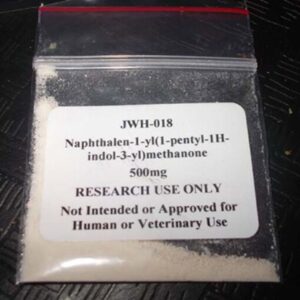
4F-2201, also known as F-2201, is a synthetic cannabinoid receptor agonist (SCRA) belonging to the aminoalkylindole family. It is structurally related to AM-2201 and has been studied in forensic toxicology, analytical chemistry, and cannabinoid receptor research. Due to its unique fluorinated molecular structure, 4F-2201 is frequently utilized as a reference compound in laboratories investigating emerging synthetic cannabinoids and novel psychoactive substances (NPS).
What is 4F-2201?
4F-2201 is a fluorinated synthetic cannabinoid developed as part of a series of compounds designed for cannabinoid receptor studies. It belongs to the aminoalkylindole family and contains both a fluorinated pentyl side chain and a fluorinated naphthoyl group, making it a valuable compound for analytical and forensic investigations.
Researchers use 4F-2201 to study synthetic cannabinoid identification, receptor interactions, metabolic pathways, and analytical detection methods.
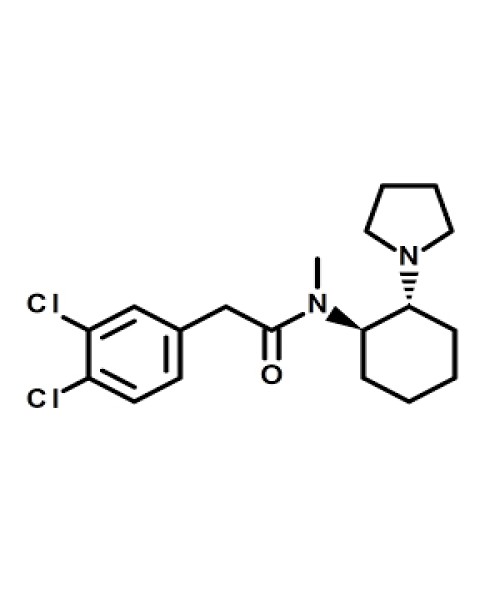
Chemical Structure and Classification
4F-2201 contains:
- An indole core structure
- A 5-fluoropentyl side chain
- A fluorinated naphthoyl group
- Aminoalkylindole cannabinoid framework
These structural characteristics make it closely related to other synthetic cannabinoids used in forensic and laboratory research.
Scientific and Research Significance
4F-2201 has attracted interest within scientific communities because of its relevance to:
- Synthetic cannabinoid monitoring
- Forensic drug identification
- Metabolic pathway analysis
- Emerging NPS investigations
- Analytical reference standard development
- Cannabinoid receptor research
Its distinctive fluorinated structure allows researchers to compare it with related cannabinoid analogues.
Analytical Applications
4F-2201 is commonly used in:
- LC-MS/MS analysis
- GC-MS identification
- High-resolution mass spectrometry (HRMS)
- Forensic toxicology screening
- Reference standard comparison
- Analytical method validation
Laboratories rely on these methods to identify and characterize synthetic cannabinoids in research settings.
Why Researchers Study 4F-2201
Research interest in 4F-2201 includes:
- Synthetic cannabinoid chemistry
- Cannabinoid receptor investigations
- Metabolism studies
- Analytical detection development
- Forensic toxicology research
- Novel psychoactive substance monitoring
Its chemical profile makes it valuable for understanding emerging synthetic cannabinoid compounds.
Related Research Compounds
Researchers often compare 4F-2201 with:
- AM-2201
- 5F-ADB
- 4F-ADB
- JWH-series cannabinoids
- Synthetic cannabinoid analogues
- Other fluorinated SCRAs
These comparisons assist in analytical characterization and forensic identification studies.
Research Applications
Potential laboratory applications include:
- Forensic investigations
- Cannabinoid receptor studies
- Toxicology research
- Reference material development
- Scientific documentation
- Analytical method optimization
Storage and Handling
For best stability:
- Keep containers tightly sealed
- Protect from moisture exposure
- Store away from excessive heat
- Avoid prolonged light exposure
- Follow laboratory safety procedures
- Use appropriate personal protective equipment
Frequently Asked Questions
What is 4F-2201?
4F-2201 is a fluorinated synthetic cannabinoid research compound belonging to the aminoalkylindole family.
What is the molecular formula of 4F-2201?
The molecular formula is C24H21F2NO.
What research fields use 4F-2201?
It is commonly used in forensic toxicology, analytical chemistry, cannabinoid receptor research, and novel psychoactive substance studies.
Why is 4F-2201 important in laboratory research?
Its unique fluorinated structure makes it useful as a reference standard and analytical comparison compound for synthetic cannabinoid investigations.
How should 4F-2201 be stored?
Store it in a cool, dry location inside a sealed container, protected from light, heat, and moisture.
Is 4F-2201 intended for laboratory use only?
Yes. It is intended exclusively for scientific, analytical, and research applications.
Disclaimer
This product is supplied strictly for scientific research, laboratory analysis, educational studies, and analytical testing purposes only. It is not intended for human consumption, veterinary use, medical treatment, or therapeutic applications. Researchers are responsible for complying with all applicable regulations and laboratory safety requirements.