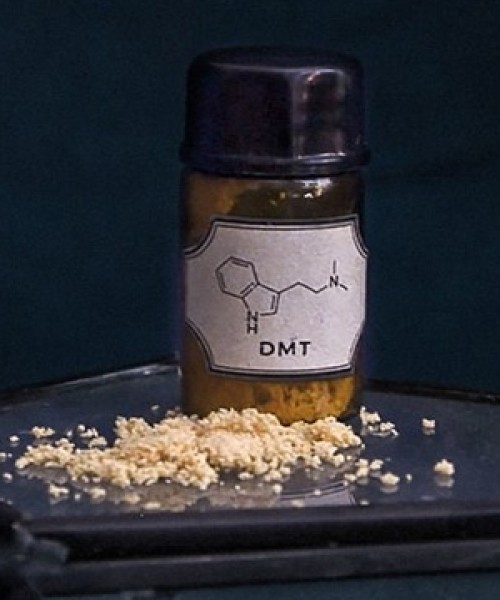
DMT (N,N-Dimethyltryptamine) is a naturally occurring and synthetic tryptamine compound widely studied in neuroscience, analytical chemistry, pharmacology, and psychedelic research. It serves as an important analytical reference standard for laboratories investigating serotonin receptor pharmacology, neurochemistry, metabolism, forensic toxicology, and emerging psychoactive substances.
DMT is naturally present in numerous plant species and has also been identified in trace amounts in certain mammals. In modern scientific settings, it is primarily used for laboratory, analytical, and research purposes.
DMT is supplied exclusively for laboratory research and analytical applications and is not approved for medical or therapeutic use.
What is DMT?
DMT (N,N-Dimethyltryptamine) is a member of the tryptamine family, sharing structural similarities with naturally occurring neurotransmitters such as serotonin. Due to its unique molecular structure and receptor interactions, DMT has become an important compound for research into neuropharmacology, receptor signaling, metabolism, and analytical detection.
Researchers use DMT as a reference material for studying serotonin receptor activity, analytical method validation, and the chemistry of naturally occurring and synthetic tryptamines.
La Structure chimique et les Propriétés
DMT possesses several characteristics that make it valuable for laboratory investigations:
- Tryptamine-based molecular scaffold
- Structural similarity to serotonin
- High analytical stability under appropriate storage conditions
- Suitable for chromatographic and mass spectrometric analysis
- Well-characterized molecular profile for analytical reference work
Its physicochemical properties support reproducible identification using modern analytical instrumentation.
Les Applications Scientifiques
DMT is widely utilized in:
- Neuroscience laboratories
- Recherche en pharmacologie
- Chimie médicinale
- Toxicologie médico-légale
- Neuroreceptor studies
- Le métabolisme d'un médicament de recherche
- Academic research institutions
- Laboratoires de chimie analytique
- La recherche pharmaceutique
Applications Analytiques De
Professional laboratories employ DMT for:
- LC-MS/MS en étalonnage
- Identification GC-MS
- Analyse LC-HRMS
- Méthode HPLC développement
- Validation de la méthode analytique
- Reference library creation
- Test de contrôle de la qualité
- dépistage en toxicologie médico-légale
- Metabolite identification studies
Its consistent analytical profile makes it a valuable reference standard in research laboratories.
Recherche en pharmacologie
Researchers investigate DMT to better understand:
- Serotonin receptor interactions
- Neurotransmitter signaling pathways
- Tryptamine chemistry
- Receptor binding characteristics
- Molecular pharmacology
- Drug metabolism
- études sur les relations structure-activité (RSA)
- Neurochemical mechanisms
These studies contribute to advances in neuroscience and medicinal chemistry.
Why Researchers Choose DMT
Researchers value DMT because it offers:
- Haute pureté analytique
- Well-documented chemical structure
- Reliable chromatographic performance
- Excellent mass spectrometric characteristics
- Broad use across neuroscience and analytical chemistry
- Reproducible laboratory results
- Established role as a reference standard
Recherche Liée À Des Composés
Researchers frequently compare DMT with related compounds including:
- Le 5-MeO-DMT
- 5-Br-DMT
- Psilocin (4-HO-DMT)
- Psilocybin
- 4-AcO-DMT
- MET
- DET
- DiPT
- MiPT
- Other substituted tryptamines
Comparative studies support analytical identification, receptor pharmacology, and metabolism research.
De stockage et de Manutention
Pour optimiser le laboratoire de la stabilité:
- Magasin étanche à l'air dans les récipients de laboratoire.
- Keep away from humidity and excessive heat.
- À protéger des rayons directs du soleil.
- Follow institutional laboratory handling procedures.
- Utilisez l'équipement de protection individuelle (EPI) approprié pour le laboratoire.
Foire Aux Questions
What is DMT?
DMT is a substituted tryptamine used as an analytical reference standard in neuroscience, pharmacology, forensic toxicology, and analytical chemistry.
Which laboratories use DMT?
DMT is commonly used by neuroscience laboratories, forensic laboratories, pharmaceutical researchers, analytical chemists, and academic institutions.
Quelles techniques d'analyse sont couramment utilisées ?
Researchers typically analyze DMT using LC-MS/MS, GC-MS, LC-HRMS, HPLC, and other advanced analytical techniques.
Why is DMT valuable in research?
Its well-characterized molecular structure, reproducible analytical profile, and importance in serotonin receptor research make it a valuable laboratory reference compound.
Is DMT intended only for research?
Oui. Ce produit est fourni exclusivement pour le laboratoire, analytique, scientifique, et de l'enseignement des fins de recherche.
Avertissement
DMT (N,N-Dimethyltryptamine) est fourni strictly for laboratory, analytical, scientific, and educational research purposes only. It is not intended for human consumption, medical treatment, veterinary use, therapeutic applications, or diagnostic purposes. Users are responsible for complying with all applicable laws, institutional policies, and laboratory safety regulations.



 English
 Spanish
 French
 Portuguese
 German
 Russian