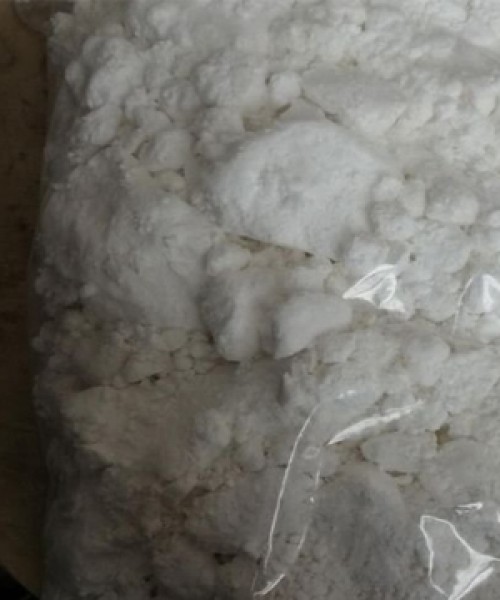
NEP (N-Ethylpentedrone) is a synthetic substituted cathinone research compound belonging to the cathinone class of novel psychoactive substances (NPS). Originally investigated as part of research into substituted cathinone derivatives, NEP has become an important analytical reference standard used in forensic toxicology, medicinal chemistry, analytical chemistry, and pharmaceutical research.
Due to its well-characterized molecular structure and forensic significance, NEP is frequently utilized in analytical method development, drug metabolism investigations, forensic identification, pharmaceutical analysis, and structure–activity relationship (SAR) studies.
NEP is supplied strictly for laboratory, analytical, and scientific research purposes only. It is not approved for human or veterinary use.
What is NEP (N-Ethylpentedrone)?
NEP, also known as N-Ethylpentedrone, is a synthetic substituted cathinone structurally related to pentedrone and other cathinone analogues. It has gained scientific attention due to its occurrence in forensic casework involving novel psychoactive substances (NPS) and its value in analytical chemistry and toxicological investigations.
Research laboratories utilize NEP as a certified analytical reference material to support forensic screening, analytical method validation, metabolite identification, toxicological investigations, and structure–activity relationship (SAR) research.
Estrutura química e Propriedades
NEP possesses several analytical characteristics valuable for laboratory research:
- Substituted cathinone core structure
- Ketone-containing aromatic framework
- Elevada estabilidade analítica
- Comportamento cromatográfico bem definido
- Excelente compatibilidade com instrumentos LC-MS/MS e GC-MS.
- Adequado para o desenvolvimento de bibliotecas de referência analíticas.
- Marcador de identificação forense fiável
Estas características permitem análises laboratoriais reproduzíveis e identificação analítica de elevada fiabilidade.
A Investigação Científica Aplicações
NEP is widely employed in:
- química analítica
- química medicinal
- A pesquisa farmacêutica
- Investigações sobre o metabolismo dos fármacos
- toxicologia forense
- Triagem toxicológica
- Pesquisa acadêmica
- Monitorização de novas substâncias psicoativas (NSP)
- Desenvolvimento de padrões de referência analíticos
- Estudos de relação estrutura-atividade (SAR)
Aplicações Analíticas
Professional laboratories commonly use NEP for:
- LC-MS/MS de calibração
- Identificação por GC-MS
- Análise LC-HRMS
- Validação do método HPLC
- Desenvolvimento de métodos analíticos
- rastreio forense de drogas
- Teste de controle de qualidade
- Perfil metabólico
- Criação de biblioteca de referência em toxicologia
O seu desempenho analítico consistente torna-o valioso para os laboratórios forenses e farmacêuticos modernos.
Investigação em Farmacologia
Researchers investigate NEP in studies involving:
- Substituted cathinone analogue characterization
- Norepinephrine-dopamine transporter research
- Análise da relação estrutura-atividade (SAR)
- Metabolismo e biotransformação de fármacos
- química medicinal
- Toxicologia analítica
- Investigação analítica farmacêutica
- Investigação emergente sobre novas substâncias psicoativas (NPS)
Estas investigações contribuem para os avanços na ciência analítica e na investigação farmacêutica.
Why Researchers Choose NEP
Researchers select NEP because it provides:
- De alta pureza analítica
- Bem-caracteriza-se a estrutura molecular
- Comportamento cromatográfico estável
- Excelente resposta em espectrometria de massas
- Relevância forense significativa
- Capacidades de referência analítica fiáveis
- Ampla aplicabilidade em laboratórios de toxicologia
A Investigação Relacionada Com Compostos
Researchers frequently compare NEP with related compounds including:
- Pentedrone
- N-Ethylhexedrone (NEH)
- N-Ethylhexylone
- Hexen
- MDPHP
- MDPV
- MDPEP
- Ethylone
- Eutylone
- Diethylone
Os estudos comparativos apoiam a identificação analítica, a pesquisa do metabolismo e as investigações da relação estrutura-atividade.
Armazenamento e Manipulação
Para um óptimo laboratório de estabilidade:
- Loja em hermético recipientes de laboratório.
- Proteger do calor, da humidade e da luz solar direta.
- Conservar em local fresco e seco.
- Manuseie utilizando os equipamentos de proteção individual (EPI) de laboratório adequados.
- Siga institucionais laboratório de procedimentos de segurança.
Perguntas Frequentes
What is NEP (N-Ethylpentedrone)?
NEP (N-Ethylpentedrone) is a synthetic substituted cathinone used as an analytical reference standard in forensic toxicology, medicinal chemistry, analytical chemistry, and pharmaceutical research.
Which laboratories use NEP?
É comummente utilizado por laboratórios forenses, laboratórios de toxicologia, investigadores farmacêuticos, instituições académicas e laboratórios de química analítica.
Que técnicas analíticas são comummente utilizadas?
Researchers commonly analyze NEP using LC-MS/MS, GC-MS, LC-HRMS, HPLC, and related analytical techniques.
Why is NEP valuable in research?
Its well-characterized molecular profile, analytical stability, and forensic significance make it valuable for method validation, metabolite identification, and analytical reference development.
Is NEP intended only for research?
Yes. NEP is supplied exclusively for laboratory, analytical, scientific, and educational research purposes.
Isenção de responsabilidade
NEP (N-Ethylpentedrone) is supplied strictly for laboratory, analytical, scientific, and educational research purposes only. It is not intended for human consumption, medical treatment, veterinary applications, therapeutic use, or diagnostic procedures. Users are responsible for complying with all applicable local laws, institutional policies, and laboratory safety regulations.



 English
 Spanish
 French
 Portuguese
 German
 Russian